Summary
Hiring a fire alarm inspection company is not just a matter of finding someone who can look at the panel and fill out a report. In many commercial buildings, the quality of the inspection depends on whether the technician understands fire alarm systems, documentation expectations, testing procedures, and the compliance environment around life safety equipment.
That is why CFAA certification matters. A CFAA certified fire inspection gives building owners, property managers, and facility teams more confidence that the person reviewing the system has fire-alarm-specific training, not just general electrical experience.
What CFAA Certification Actually Means
CFAA stands for the Canadian Fire Alarm Association. The organization describes its mission as maximizing the effectiveness and use of fire alarm systems in protecting life and property across Canada. In practical terms, CFAA is closely tied to fire alarm education, technician development, and industry standards for people working around fire alarm systems.
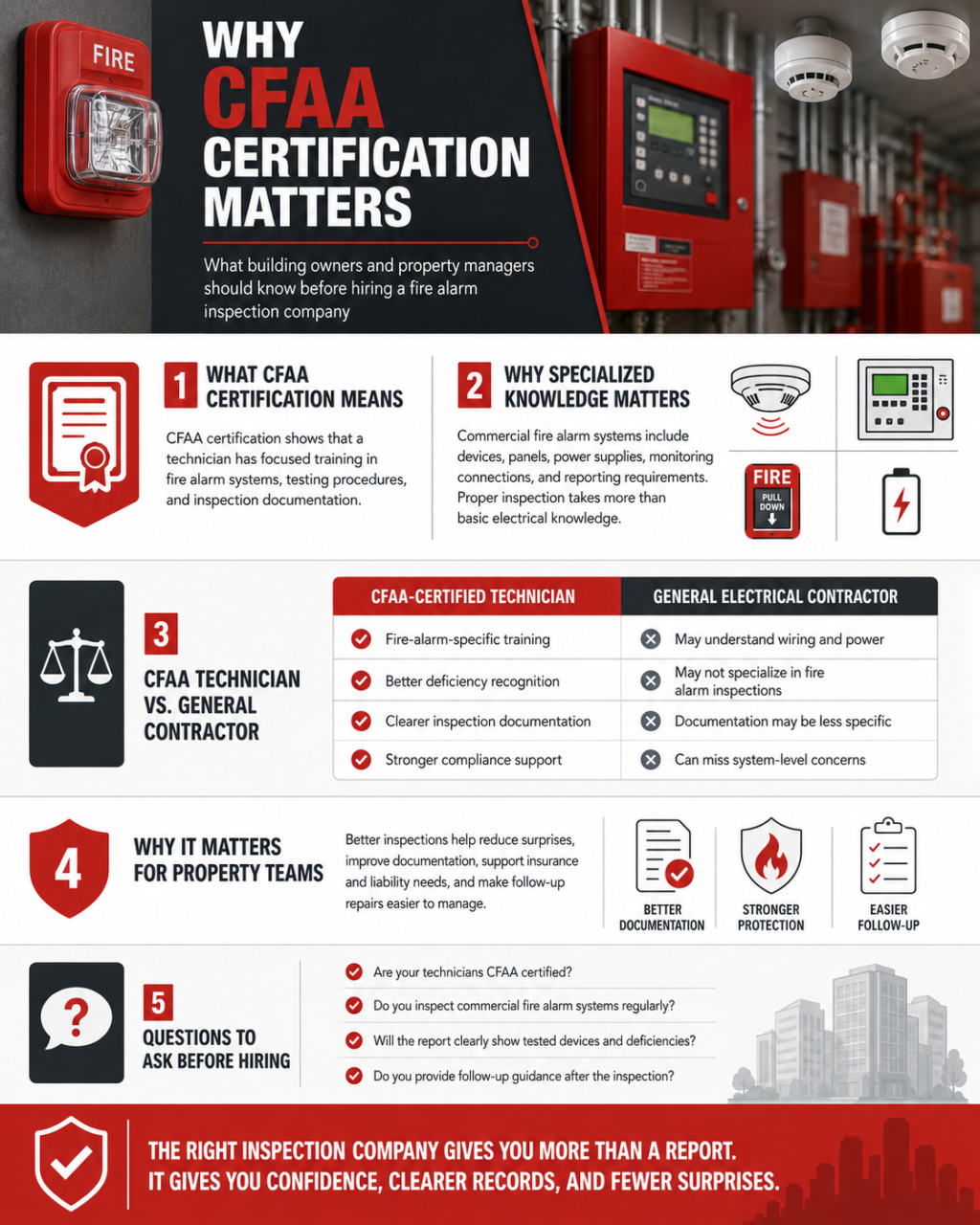
For a building owner, the important part is simple: CFAA certification shows that a technician has focused training in fire alarm technology. Fire alarm systems are not just a few devices connected to a control panel. They include initiating devices, notification appliances, control equipment, monitoring connections, power supplies, batteries, relays, documentation, and a sequence of operations that needs to make sense for the building.
Here’s the thing. A fire alarm inspection is only useful if the person doing it understands what they are looking at. A certified fire alarm inspector is more likely to recognize when a device has been changed incorrectly, when a panel condition needs follow-up, when documentation is incomplete, or when a deficiency could become a bigger compliance issue later.
Why Fire Alarm Inspections Need Specialized Knowledge
A commercial fire alarm system is part electrical system, part life safety system, and part building operations system. That combination is exactly why inspections should not be treated like a generic maintenance visit.
During an inspection, the technician may need to review initiating devices such as smoke detectors, heat detectors, duct detectors, pull stations, and flow switches. They may also need to test audible and visual notification devices, confirm panel signals, check standby power, review trouble conditions, and make sure results are documented properly. The work has to be systematic because a missed device or unclear record can create problems for the building later.
Most people don’t realize how much of fire alarm compliance comes down to documentation. If a property manager cannot show what was tested, when it was tested, who completed the work, and what deficiencies were found, the building can still run into trouble even when the system appears to be working. A qualified fire alarm inspection company helps make the inspection record clearer, easier to understand, and easier to produce when an authority, insurer, or internal team asks for it.
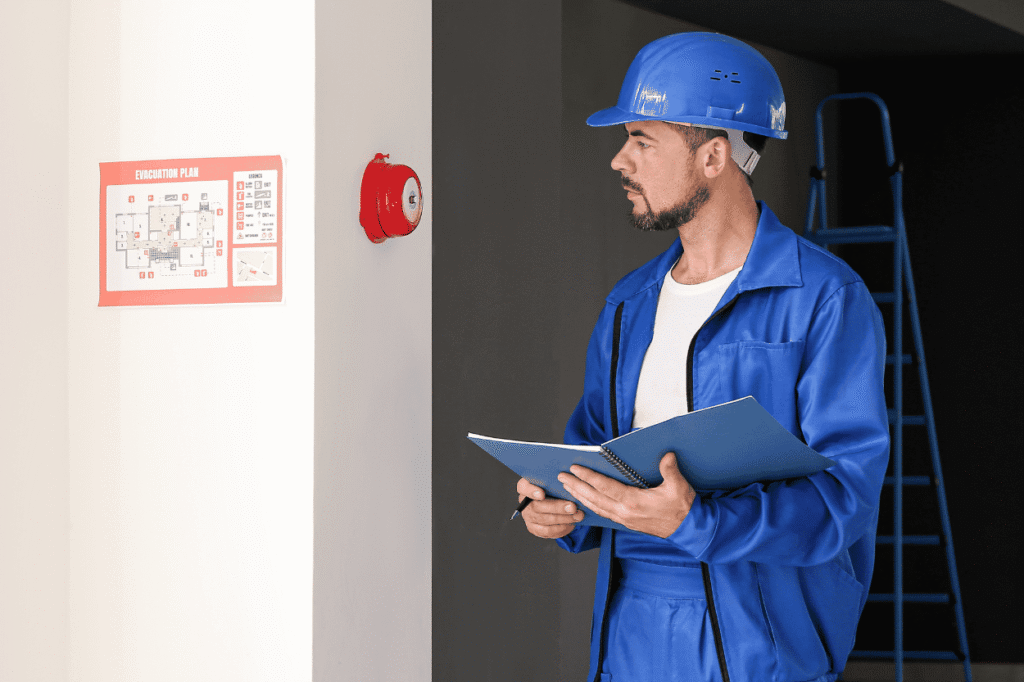
Image Via Canva
Certified Technicians vs. General Electrical Contractors
General electrical contractors can be excellent at electrical work, but fire alarm inspection is its own discipline. A contractor may understand wiring, power, and installation, while a CFAA technician is trained to look at how fire alarm equipment is expected to operate as a life safety system.
That difference matters when a building has a mix of older devices, additions, renovations, monitoring requirements, or previous deficiencies. The inspection is not just about whether a device has power. It is about whether the system is being tested and documented in a way that supports safety, code expectations, insurance requirements, and future service decisions.
| Inspection Question | CFAA-Certified Fire Alarm Technician | General Electrical Contractor |
|---|---|---|
| Fire alarm testing knowledge | Focused training in fire alarm system inspection, device testing, panel signals, and reporting | May understand electrical components but may not specialize in fire alarm inspection procedures |
| Documentation support | More likely to provide inspection reports that align with fire alarm service expectations | Documentation may be less specific to fire alarm compliance needs |
| Deficiency recognition | Better positioned to identify fire-alarm-specific issues and recommend next steps | May identify obvious electrical issues but miss system-level concerns |
| Building owner confidence | Helps support due diligence for property managers, insurers, and authorities having jurisdiction | May be appropriate for electrical repairs, but not always for fire alarm compliance services |
The Risks of Hiring a Non-Certified Provider
The problem with a weak inspection is that it can look fine on paper until someone needs the record. A building might pass along an incomplete report, miss a device that was not properly tested, overlook a trouble condition, or fail to correct a deficiency because the issue was not clearly explained.
None of this looks serious at first. Then the property is reviewed by an authority having jurisdiction, an insurer asks for inspection records, a tenant raises a safety concern, or a system issue causes a delay during service. At that point, the cost is not just the inspection fee. It becomes time, documentation, scheduling, follow-up repairs, and avoidable stress for the people managing the building.
Requirements can vary by province, municipality, occupancy, building type, insurer, and authority having jurisdiction. That is why it is risky to treat fire alarm inspection as a checkbox. Working with certified fire alarm inspectors gives the building team a stronger foundation when they need to show that the system has been reviewed by someone with the right training.
Insurance, Liability, and Documentation Advantages
For property managers, the value of a CFAA certified fire inspection is not only the inspection itself. It is the paper trail that comes with it. Good documentation helps show that the building is being managed responsibly, that inspections are not being skipped, and that deficiencies are being tracked instead of ignored.
That matters for insurance because fire protection records may be requested after a claim, during underwriting, or when a property is being reviewed. It also matters for liability. If there is ever a question about whether the building owner took reasonable steps to maintain life safety systems, clear inspection records are much easier to defend than vague notes or missing paperwork.
A qualified fire alarm inspection company should also help make deficiencies understandable. A report should not leave the property manager guessing what needs to happen next. If a device failed, a panel showed a trouble condition, batteries need replacement, or monitoring communication needs attention, the report should make that clear enough for the next decision to happen quickly.
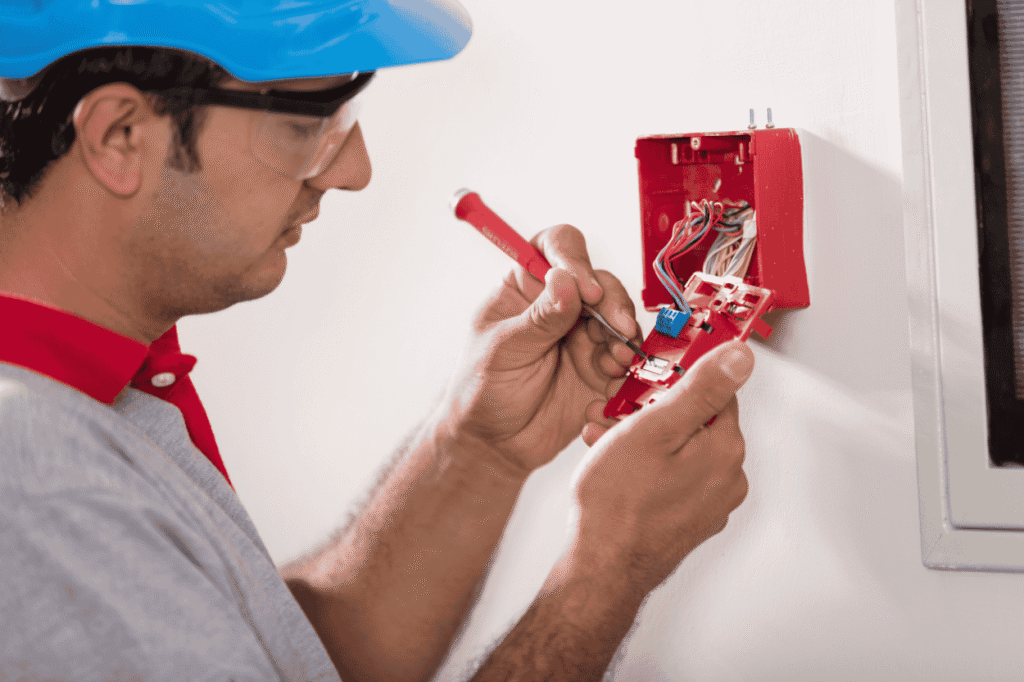
Image Via Canva
What to Ask Before Hiring a Fire Alarm Inspection Company
Before choosing a provider, ask whether the technicians performing the inspection are CFAA certified, whether the company regularly works with commercial fire alarm systems, and whether the final report will clearly identify tested devices, deficiencies, corrective recommendations, and any items requiring follow-up.
It is also worth asking how the company handles scheduling, after-hours access, emergency service, monitoring coordination, and repeat inspections after repairs. For larger buildings or multi-property portfolios, consistency matters. You do not want every inspection to feel like a new process with a different standard of documentation each time.
CFAA technicians Calgary property teams can rely on should be able to explain the inspection process in plain language. If a provider cannot explain what will be tested, how deficiencies are reported, or how the documentation supports fire alarm compliance services, that is a sign to slow down before booking.
Choosing Confidence Over Guesswork
Fire alarm systems are too important to inspect casually. They are there to alert occupants, support emergency response, and help protect property when something goes wrong. The inspection provider you choose should understand that responsibility.
CFAA certification is not just a logo or credential to put on a proposal. It is a signal that the technician has fire-alarm-specific training and that the inspection is being approached with the right level of care. For commercial building owners and property managers, that can mean fewer surprises, clearer records, better deficiency tracking, and more confidence when inspection time comes around.
If your building is due for inspection, Pyrotronics can help review your fire alarm inspection needs, coordinate qualified service, and provide practical documentation that supports safer day-to-day building management.