Summary
Regular fire alarm inspections prevent system failures, false alarms, and safety risks by catching issues like dead batteries or loose wiring early. In Canada, only CFAA-certified technicians can perform these inspections to meet CAN/ULC standards and maintain legal and insurance compliance. Monthly, quarterly, and annual checks ensure full functionality, from sensors to backup power. Choosing a certified, experienced provider guarantees reliability, faster response times, and peace of mind that your building is protected.
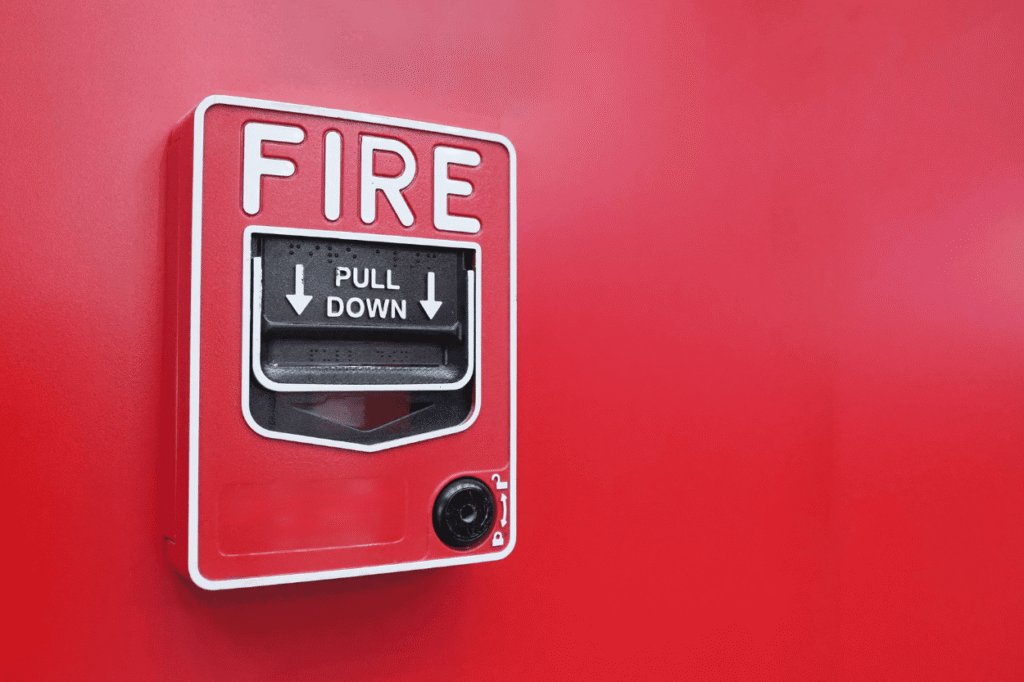
Image Via Canva.com
Why Fire Alarm Inspections Matter for Building Safety
Fire alarms do more than just sit on a wall and beep. They’re actually your first real defense when a fire starts. They alert people, kick other emergency systems into gear, and can stop a small problem from becoming a total disaster. But they only work right if you maintain them properly.
Here’s what most people don’t realize. Even a top-quality system will fail if you ignore it. Dust gets into sensors. Batteries die. Connections loosen up over time. Then you end up with false alarms that annoy everyone until people start ignoring them. Or worse, you get a fire and nothing goes off at all. Neither situation is acceptable.
Regular inspections catch problems early. They keep you on the right side of local fire codes. They help with insurance coverage too, which matters more than you’d think. Beyond all the legal stuff, inspections show that you actually care about safety. That matters to tenants, employees, visitors, everyone. It builds real trust in how you run your property.
Understanding CAN/ULC Standards and CFAA Certification
In Canada, fire alarm systems have to follow strict standards. CAN/ULC guidelines spell out exactly how systems need to be designed, installed, and maintained. This isn’t optional. These standards exist so your system will actually function during an emergency.
The Canadian Fire Alarm Association (CFAA) certifies companies and technicians. You can’t just call yourself a fire alarm expert. You need proper training and certification to prove you know what you’re doing. CFAA certification means the person working on your system understands current safety codes, knows the right testing procedures, and can handle all the documentation properly.
Why should you care? Because when you hire someone CFAA-certified, you’re getting real expertise. Their work holds up under scrutiny. If something goes wrong and you end up dealing with lawyers or insurance adjusters, having proper documentation from certified professionals makes a huge difference. It protects you legally and shows you did things the right way.

Image Via Canva.com
How Often Fire Alarm Inspections Are Required
How often you need inspections depends on your building type, what it’s used for, and what kind of system you have. Here’s the basic breakdown.
| Inspection Type | Frequency | What’s Involved | Time Required |
|---|---|---|---|
| Visual Checks | Monthly | Look for damage, missing parts, obstructions | ~15 minutes |
| Testing | Quarterly or Semi-Annual | Test alarms, strobes, horns, control panel communication | 1-2 hours |
| Full Inspection | Annual | Complete wiring check, backup power testing, CAN/ULC compliance review, simulated fire conditions | 3-4 hours |
Monthly checks are quick visual inspections. You’re looking for obvious damage, missing parts, or anything blocking the system. Takes maybe 15 minutes but catches a lot of small issues before they become big ones.
Quarterly or semi-annual testing is more involved. Technicians actually test everything. Do the alarms sound? Do strobes flash? Are horns loud enough? Is the control panel talking to all the devices properly? This is when you find out if something has failed or if there’s a glitch in the programming.
Annual inspections are the full deal. Technicians check wiring, test backup power, look at battery health, make sure everything complies with CAN/ULC standards. They’ll often simulate fire conditions to see how the whole system responds from start to finish. It’s thorough and it takes time, but it’s necessary.
Your local fire code probably has specific requirements beyond these basics. Your insurance policy definitely does. Missing inspections can void your coverage or get you fined. Stay organized about scheduling and you’ll avoid both problems.
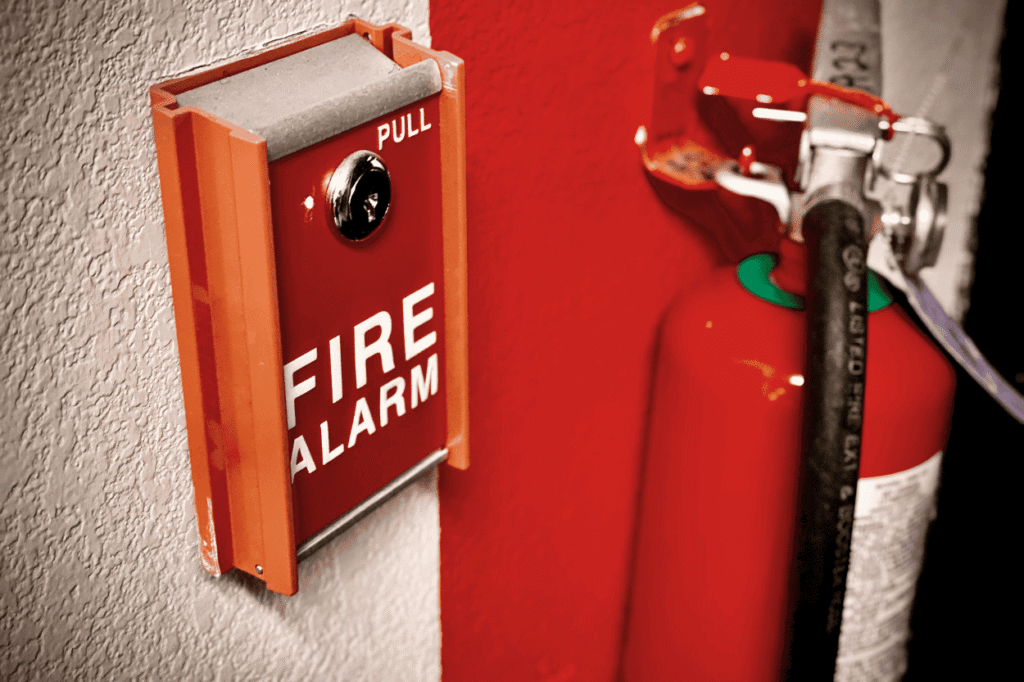
Image Via Canva.com
What Happens During a Professional Inspection
When a certified technician shows up, they work through a detailed checklist. Nothing gets skipped. They test smoke detectors, heat sensors, and pull stations to make sure they trigger correctly. They check that alarms, horns, and strobes are loud and bright enough to actually alert people throughout your building. They review the control panel programming and look for error codes or faults.
Backup power gets tested too. If main power cuts out during a fire, your alarm system absolutely has to keep running. Technicians test batteries and backup generators to confirm they’ll work when you need them. They also inspect all the wiring and connections for wear, corrosion, loose fittings, anything that could cause a failure.
At the end, you get a detailed report. It documents what was tested, what passed, and what needs fixing. If there are issues, the report explains what repairs you need and why. Keep these reports somewhere safe. They’re your proof that you maintained the system properly. If an auditor or insurance company comes asking questions, you’ll want that documentation ready to go.

Image Via Canva.com
How to Choose a Certified Fire Alarm Partner
Not every fire alarm company is worth your time. Start with the basics. Make sure they’re CFAA-certified. Both the company itself and the actual technicians who’ll work on your building. This isn’t negotiable if you want work that’s legitimate and defensible.
Experience with your type of building matters a lot. A company that mostly does houses might not be the best choice for your warehouse or office tower. Different buildings have different challenges. You want someone who’s dealt with buildings like yours before.
Look for a provider that can do everything. Inspections, testing, repairs, maintenance, system upgrades. If you use one company for everything, you’re not juggling multiple contractors for different parts of the same system. It’s simpler and usually more reliable. Pay attention to their reporting too. Good documentation makes your life easier when audit time rolls around.
Responsiveness is critical. Between scheduled inspections, things can go wrong. A detector malfunctions. The control panel throws an error. Whatever it is, you need a company that answers the phone and sends someone out fast. Fire safety problems don’t wait for convenient business hours.
Get this decision right and you’ll have a fire alarm system that works reliably, stays compliant with all regulations, and genuinely protects people. That peace of mind is worth taking the time to choose carefully.