Summary
A fire alarm system can only do so much on its own. It can detect a problem and send a signal, but someone still needs to receive that signal and know what to do next.
That is where 24/7 ULC fire monitoring comes in.
For commercial buildings, monitored fire alarm systems help make sure alarm signals are not dependent on someone being on site at the time. Whether a building is empty overnight, operating with reduced staff, or closed for the weekend, monitoring provides another layer of protection by connecting the fire alarm system to a fire signal receiving centre.
For property managers and building owners, the benefit is not just faster awareness. Properly managed monitoring can also support compliance, provide better documentation, simplify service coordination, and give everyone involved more confidence that the system is being watched around the clock.
How ULC Fire Monitoring Works
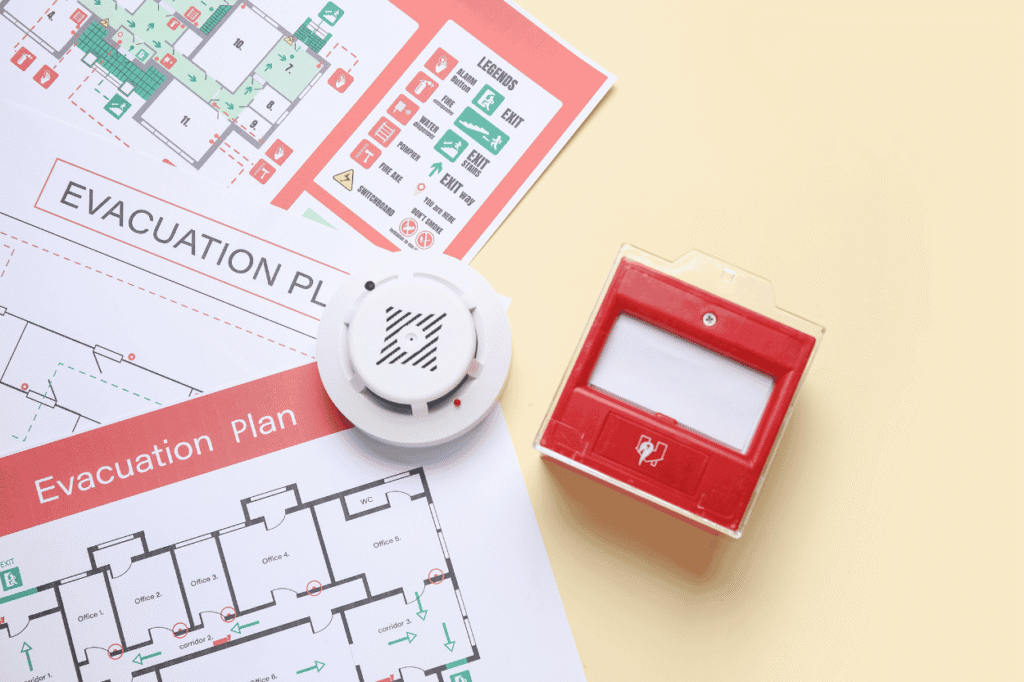
At a basic level, fire alarm monitoring creates a connection between the fire alarm system inside the building and an off-site receiving centre.
When the fire alarm system detects certain conditions, signals can be transmitted through the monitoring arrangement. Those signals are then received and handled according to established procedures.
The exact setup depends on the building, equipment, communication method, and applicable requirements. The important thing to understand is that monitoring involves more than simply forwarding an alarm somewhere else.
The equipment installed at the building, the way signals are transmitted, the receiving centre, and the procedures used to handle those signals all form part of the monitoring system.
CAN/ULC-S561 is the Canadian standard that addresses the installation and servicing of fire signal receiving centres and systems. UL Solutions Canada notes that the standard covers fire alarm and sprinkler monitoring systems, including the signal transmitting unit, communication method, and the operation of the fire signal receiving centre.
For building owners, that means ULC fire monitoring is not simply a marketing term. It relates to a recognized framework for how monitored fire alarm systems are installed, serviced, and managed.
Why 24/7 Monitoring Matters After Hours
During regular business hours, there are usually people around who can notice when something is wrong.
After hours, the situation changes.
Office buildings may be empty. Warehouses may be operating with only a small overnight crew. Retail locations may sit unattended for hours. Even larger facilities can have areas with very little activity late at night.
A fire alarm does not care what time it is.
If an alarm activates when nobody is nearby to hear it, a monitored system provides another way for the signal to be received and acted on.
That is one of the biggest advantages of 24/7 fire monitoring. The building is not relying entirely on someone physically being present at the right moment.
Faster awareness does not guarantee a particular outcome, but it can reduce the amount of time between a system event and the point when someone becomes aware of it. In a fire emergency, that difference can matter.

What Businesses Should Look for in a Fire Monitoring Provider
Not all monitoring arrangements are the same. Commercial building owners should understand what they are actually getting before choosing a provider.
| What to Look For | Why It Matters | What to Ask |
|---|---|---|
| 24/7 signal receiving | Fire alarm events can happen at any hour | How are alarm signals handled outside regular business hours? |
| ULC-listed monitoring services | Some buildings or authorities may require a specific certified arrangement | Does the monitoring setup meet the applicable ULC requirements for this building? |
| Reliable communication paths | The signal needs a dependable way to reach the receiving centre | What communication method is being used, and how is it supervised? |
| Accurate emergency contacts | Outdated contact information can create unnecessary delays | How often are emergency contact lists reviewed and updated? |
| Technical service support | Communication or equipment problems may require on-site service | Who handles monitoring faults and communication issues? |
| Clear documentation | Records may be needed for inspections, insurance, or internal reviews | What reports and service records are available? |
The right provider should be able to answer these questions clearly.
If the monitoring arrangement is difficult to explain, the building owner may also have trouble understanding what happens when something actually goes wrong.
ULC Monitoring and Compliance
One reason commercial property owners look into ULC fire monitoring is compliance.
The exact requirements depend on the building, occupancy, fire alarm design, jurisdiction, and authority having jurisdiction. Some insurance providers may also have their own expectations.
That is why it is important not to assume that every commercial building in Canada follows the exact same monitoring requirement.
In Alberta, for example, the National Fire Code, 2023 Alberta Edition is based on the National Fire Code of Canada 2020 and establishes fire protection requirements for the safe use and maintenance of buildings. Other provinces and territories may adopt different editions or apply their own requirements.
The National Research Council also published the National Fire Code of Canada 2025, but the NRC specifically advises building owners to confirm which code and regulations apply in their own province or territory.
For Calgary property managers, the practical takeaway is simple. Monitoring requirements should be reviewed based on the actual building and the requirements in force, not assumed based on a general rule.
A qualified ULC monitoring company should be able to help explain how the monitoring arrangement relates to the building’s fire alarm system and applicable requirements.

Insurance and Documentation Benefits
Monitoring also creates a useful record of what is happening with the system.
For property managers, documentation can become important during insurance reviews, inspections, audits, or after a significant event.
Monitoring records may help show when signals were received, when testing occurred, and when communication issues were identified.
That does not replace regular fire alarm inspection and maintenance, but it adds another layer of information to the building’s overall fire protection history.
Good documentation also makes service easier.
If a communication issue keeps appearing, or a system repeatedly reports the same condition, having accurate records gives technicians more information to work with.
Instead of starting from scratch, they can review what has already happened and look for patterns.

Monitoring Still Needs to Be Maintained
Once monitoring is installed, it is easy to treat it as something that will simply work forever.
That is not always the case.
Communication methods can change. Building equipment gets replaced. Contact information becomes outdated. Phone systems, internet connections, or cellular communication arrangements can be modified during renovations or technology upgrades.
If those changes are not properly coordinated, the monitoring arrangement can be affected.
That is why monitored systems still require regular attention.
The fire alarm system needs inspection and testing. Communication equipment needs to remain functional. Emergency contact lists should be reviewed. Any trouble conditions or communication faults should be investigated instead of ignored.
Monitoring should be treated as part of the building’s overall fire protection program, not as a separate service that gets installed once and forgotten about.
Faster Response Starts With a Reliable System
A monitoring service is only as useful as the system sending the signal.
If the fire alarm system is not properly maintained, or if communication equipment is not functioning correctly, the benefits of monitoring can be reduced.
Regular inspection and testing help make sure the entire chain remains reliable, from the device that detects the condition to the equipment transmitting the signal.
This is one reason it can be helpful to work with a fire protection company that understands both the alarm system and the monitoring side of the service.
When the same team understands the equipment, communication path, service history, and documentation, it can be easier to troubleshoot problems and keep everything coordinated.
The Value of Having One Fire Protection Partner
Fire alarm monitoring is closely connected to the rest of the building’s fire protection program.
When a monitoring issue occurs, it may be related to the communication path, the fire alarm panel, programming, building changes, or another technical issue.
Having one provider who understands the full system can simplify the process.
Instead of trying to determine whether the monitoring company, alarm contractor, or another vendor is responsible, the property manager has a clearer point of contact.
That can make a significant difference when a problem happens outside normal business hours and someone needs answers quickly.
Monitoring Should Give You Confidence
The biggest benefit of 24/7 fire monitoring is peace of mind.
A commercial building cannot rely on someone always being in the right place at the right time. Monitoring provides another layer of protection by helping make sure fire alarm signals can be received even when the building is empty.
The right monitoring arrangement also gives property managers better records, clearer service support, and a more organized approach to fire protection.
Pyrotronics can help commercial property owners review their fire alarm monitoring needs, coordinate ULC fire monitoring services, maintain monitored fire alarm systems, and keep the related service documentation organized.
For businesses looking for fire alarm monitoring in Calgary, the goal should be simple: choose a system and monitoring provider you can rely on when the building is occupied and when nobody is there.
Frequently Asked Questions
What is 24/7 ULC fire monitoring?
24/7 ULC fire monitoring connects a commercial fire alarm system to an off-site fire signal receiving centre so alarm signals can be received at any time, including nights, weekends, and holidays. The exact monitoring arrangement depends on the building, equipment, communication method, and applicable requirements.
Is ULC fire monitoring required for every commercial building?
No. Monitoring requirements can vary depending on the building type, occupancy, fire alarm design, jurisdiction, insurer, and authority having jurisdiction. Property owners should confirm the requirements that apply to their specific building.
What happens when a monitored fire alarm sends a signal?
The receiving centre handles the signal according to the procedures established for the monitored system and account. The exact response depends on the type of signal received and the monitoring arrangement in place.
Does a monitored fire alarm system still need regular inspection and maintenance?
Yes. Fire alarm monitoring does not replace regular inspection, testing, or maintenance. The fire alarm system, communication equipment, and monitoring connection all need to remain in proper working condition.
What should I look for in a ULC monitoring company?
Look for a provider that can clearly explain the monitoring arrangement, applicable ULC certification, communication methods, emergency contact procedures, technical support, and the documentation available for your building.
Why is 24/7 monitoring valuable for commercial buildings?
The biggest advantage is after-hours protection. If a building is empty or operating with limited staff, monitoring helps make sure alarm signals can still be received and handled without relying on someone being physically present.
Sources
UL Solutions Canada: Fire and Security Alarm Certificate Programs
National Research Council Canada: National Fire Code of Canada 2025
National Research Council Canada: National Fire Code, 2023 Alberta Edition