Summary
Fire safety requirements vary depending on how a building is used. Offices, retail spaces, residential buildings, and specialized environments like hospitals and schools all have different risks, occupancy levels, and evacuation needs. These differences directly impact the type of fire protection systems required, from alarms and sprinklers to monitoring and emergency planning.

Offices and Commercial Workspaces
Office buildings are typically easier to plan for when it comes to fire safety because the layout is predictable and the number of people inside is relatively consistent. Employees tend to be familiar with their surroundings, which makes evacuation more organized and less chaotic compared to other environments.
Even with that advantage, office spaces still require a full range of fire protection systems working together. Smoke detection and alarm systems provide early warning, while sprinkler systems help control a fire before it spreads. In larger buildings, these systems are often connected so that a single trigger can activate a coordinated response across multiple floors. Clear exit routes and emergency lighting also play an important role, especially in multi-level buildings where visibility and direction matter during an emergency.
Retail and Public-Facing Buildings
Retail environments are much less predictable. The number of people inside can change throughout the day, and most occupants are not familiar with the layout. That alone creates a higher level of risk when something goes wrong.
Because of this, fire safety in retail spaces is focused on clarity and speed. Exit signage needs to be immediately visible, and pathways must stay clear at all times. Alarm systems are designed to be loud and unmistakable so that people react quickly, even if they are unsure of where to go at first. Sprinkler systems are also common in these settings due to open floor plans and the amount of combustible materials often present. Staff play a key role as well, helping guide customers toward exits and keeping movement as controlled as possible.
Residential and Multi-Family Properties
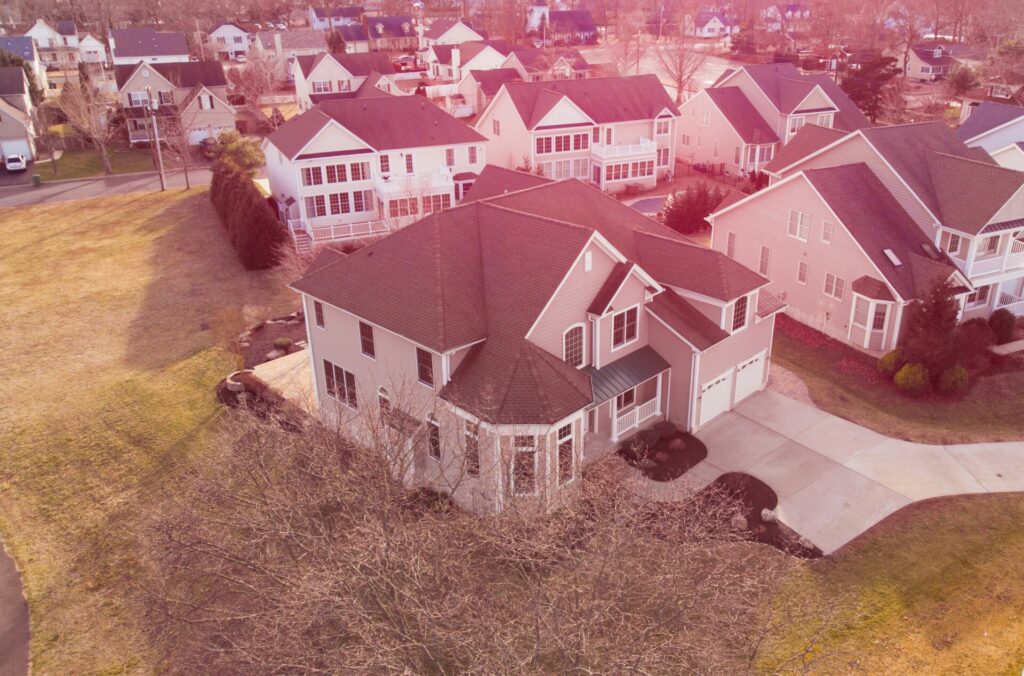
Fire safety in residential buildings is built around one major reality: people are often unaware of danger, especially when they are sleeping. Because of that, early detection becomes the most important factor.
Smoke alarms are typically installed inside units as well as in common areas to ensure that any fire is detected as quickly as possible. In many newer buildings, sprinkler systems are also included to help contain fires before they spread beyond a single unit. Construction methods support this approach, with fire-rated walls and floors designed to slow down the movement of fire and smoke.
Unlike commercial settings, there is no expectation that occupants are trained or prepared. Systems need to work automatically and reliably, giving residents the time they need to get out safely.
Specialized Environments Like Hospitals and Schools
Hospitals and schools require a much more controlled approach to fire safety because not everyone inside can respond in the same way. Patients, young children, and large groups all change how an emergency needs to be handled.
In hospitals, evacuation is not always immediate. Instead, buildings are designed to contain fire and allow staff to move patients in stages. Fire-rated barriers, compartmentalized layouts, and advanced alarm systems all work together to make that possible. Schools take a different approach, focusing heavily on preparation. Regular drills and clearly defined procedures help ensure that students and staff know exactly what to do when an alarm sounds.
These environments rely on a higher level of coordination between building design, fire protection systems, and the people responsible for managing an emergency.
Fire Safety System Comparison by Building Type
| Building Type | Primary Risk | Key Systems Required | Main Focus |
|---|---|---|---|
| Offices and Commercial | Moderate occupancy, structured layout | Alarms, detectors, sprinklers | Organized evacuation |
| Retail and Public Spaces | High, unpredictable occupancy | Alarms, sprinklers, exit signage | Fast, clear evacuation |
| Residential Properties | Delayed detection, sleeping occupants | Smoke alarms, CO detectors, sprinklers | Early warning |
| Hospitals and Schools | Vulnerable occupants, complex movement | Advanced alarms, sprinklers, compartmentalization | Controlled response |
Fire safety is not one size fits all. The way a building is used directly shapes the systems and strategies required to protect the people inside.
When systems are designed with that specific use in mind, they become far more effective. Whether it is an office, a retail space, or a specialized facility, the goal is always the same: detect early, respond quickly, and give people the time they need to get to safety.