Summary
Fire protection systems are one of those things you barely notice when they are working. Then the panel starts beeping, an alarm keeps coming back, or someone spots water around a sprinkler line.
At that point, it becomes hard to ignore.
Getting someone in quickly can save a lot of hassle. Sometimes it is a simple fix. Sometimes it is the first sign of a bigger problem. Either way, knowing what is going on is better than letting it sit and hoping it clears itself.
Common Fire System Failures That Require Immediate Attention
There are plenty of reasons a fire protection system can start acting up.
A detector might stop communicating properly. A battery may be getting weak. Wiring can get damaged. Sprinkler piping can leak. You might also have a fire alarm panel that keeps showing the same trouble message even after it has been reset.
Not every one of those problems means the whole system is down. That is part of what makes them easy to put off.
The problem is when the same warning keeps showing up. If an alarm has been reset three times and comes back three times, there is probably something behind it. The same idea applies to a sprinkler leak. A few drops of water today can become a much bigger headache later.
It is usually worth finding the actual cause while the issue is still manageable.
The Cost of Delaying Fire Protection Repairs
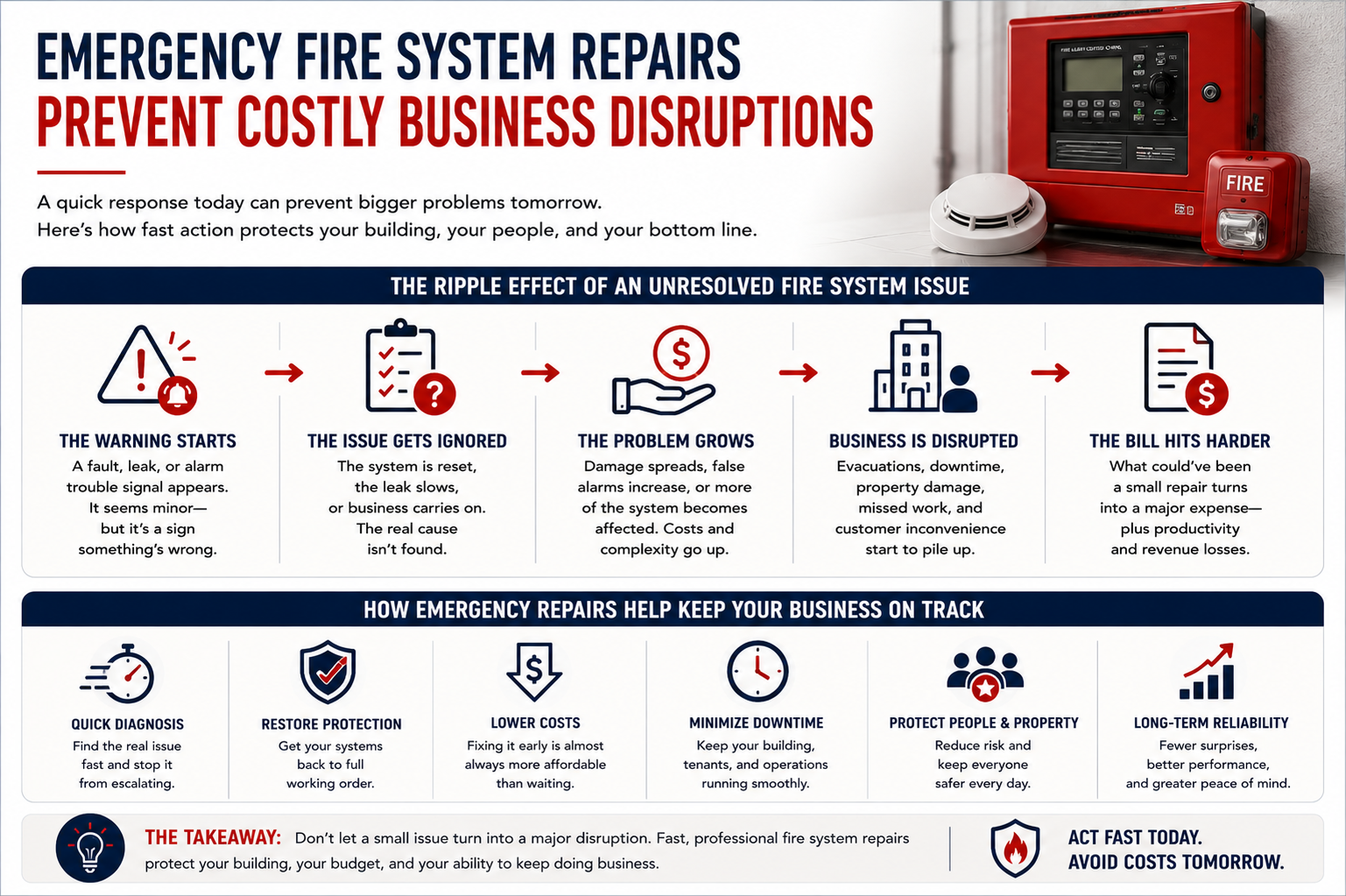
A lot of repairs get delayed for a pretty understandable reason. The building is still open, people are working, and whatever is wrong does not seem serious enough to stop everything.
That can work for a while. Until it does not.
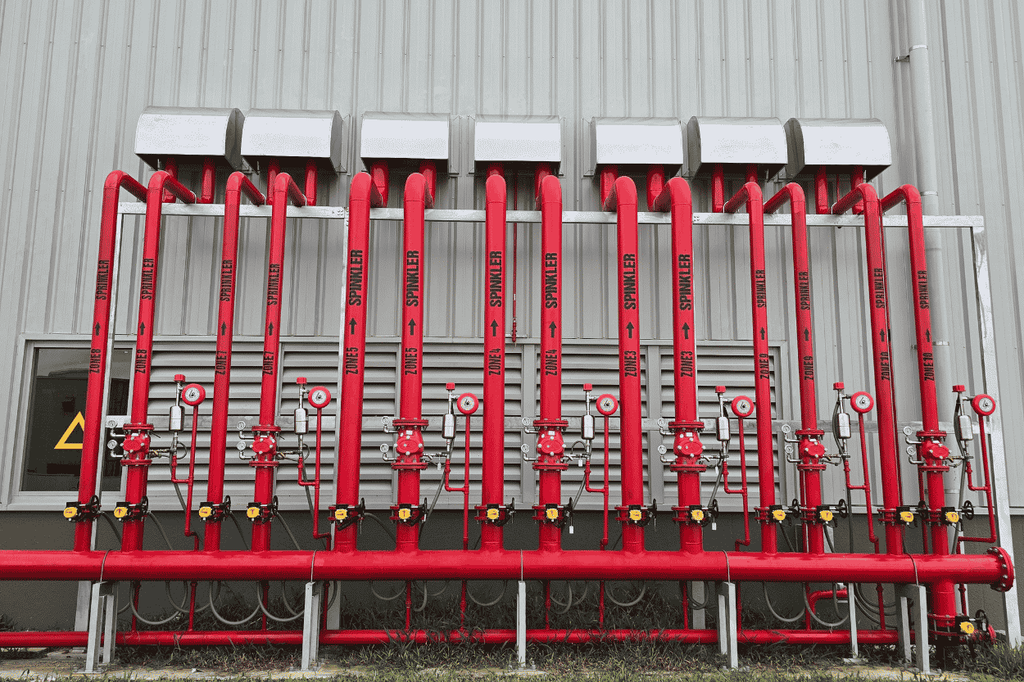
A leaking sprinkler line can damage drywall, ceilings, stock, or equipment. False alarms can empty a building and frustrate everyone inside. An unresolved system fault can also mean part of the building is not getting the protection it normally would.
Then there is the repair itself. Something that might have been fairly straightforward when it first appeared can get more expensive if other parts of the system become involved.
Nobody wants to pay for an emergency call if they do not need one. But waiting too long can end up costing more anyway.
Why Rapid-Response Fire Protection Service Matters
When the fire alarm panel starts making noise in the middle of a workday, most building managers are not looking for a long explanation. They want to know what is wrong and what it is going to take to fix it.
That is really where quick response matters.
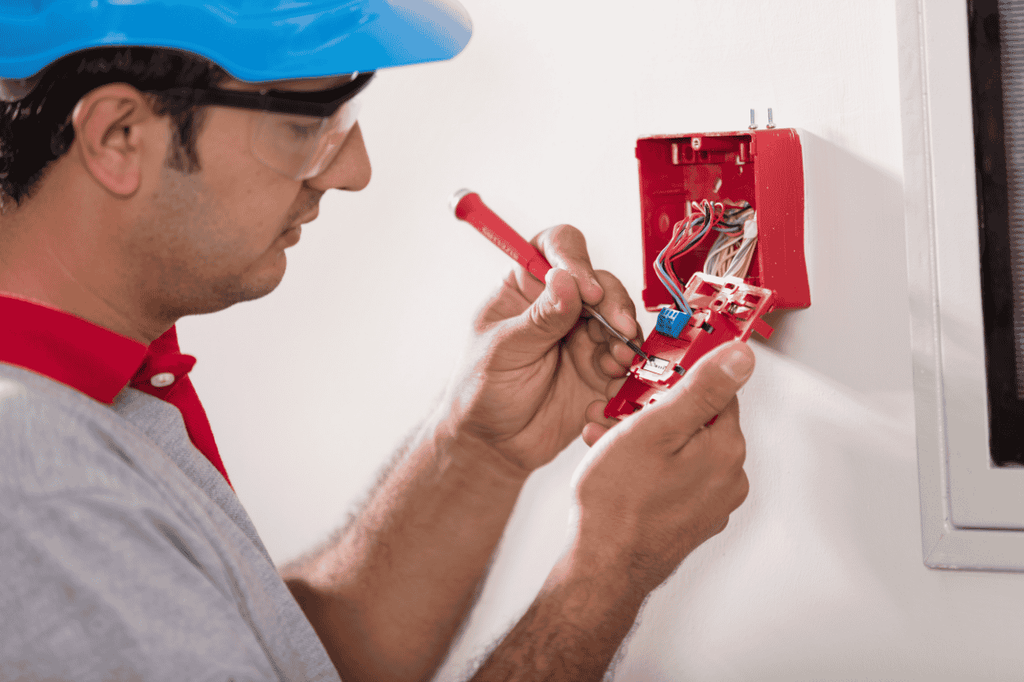
A technician can get into the system, see what the panel is reporting, check the affected equipment, and start narrowing down the problem. Maybe it is one faulty device. Maybe it is a wiring issue. Maybe a larger section of the system is involved.
The sooner you know, the easier it is to make a decision about what happens next.
It also takes away some of the guesswork. Instead of wondering whether the warning is serious, you have someone on site who can tell you what they are seeing and what needs to be done about it.
How Preventative Maintenance Reduces Emergency Breakdowns
Most emergency repairs do not come completely out of nowhere.
There are often little signs first. A battery is getting old. A detector has been troublesome for a while. A fault keeps appearing and disappearing. Something looks worn during an inspection but has not failed yet.
Regular maintenance gives you a chance to catch some of that before it becomes a Friday-night phone call.
Older buildings are a good example. Their fire protection systems may have been changed several times over the years. Devices get replaced, sections get added, renovations happen, and eventually you can end up with a system that has quite a history behind it.
Having it inspected regularly makes that history easier to keep track of.
Maintenance will not prevent every failure. Equipment still breaks. But catching even a few problems early can mean fewer surprises and more time to deal with repairs on your own schedule.
Emergency Repairs vs. Preventative Maintenance
| Emergency Fire System Repair | Preventative Fire System Maintenance |
|---|---|
| Deals with something that has already gone wrong | Looks for problems before they become urgent |
| Often needs to happen quickly | Can usually be scheduled ahead |
| Gets failed equipment working again | Helps keep equipment from reaching that point |
| May interrupt normal building operations | Can reduce the chance of unexpected downtime |
| Costs can be harder to predict | Makes upcoming maintenance easier to plan for |
Protecting Your Business From Unnecessary Disruptions
Nobody comes into work hoping to spend the morning dealing with a fire alarm fault.
Most businesses would rather have the system sit quietly in the background and do exactly what it is supposed to do. That is the goal.
When something does go wrong, it helps to already know who you are going to call. Someone who knows commercial fire systems, can explain the problem without making it more confusing, and can get the repair moving.
The same goes for regular service. It is much easier to replace a worn component during a planned visit than discover it after it has already failed.
You probably cannot avoid every fire system problem. You can avoid letting a small one hang around long enough to become a much bigger disruption.