
Summary
Fire safety planning looks very different depending on whether a building is being constructed from the ground up or upgraded after it already exists. New construction allows systems to be fully integrated from the start, while existing buildings often require careful retrofitting to meet modern standards. Understanding these differences helps property owners plan more effectively, stay compliant, and avoid costly surprises.
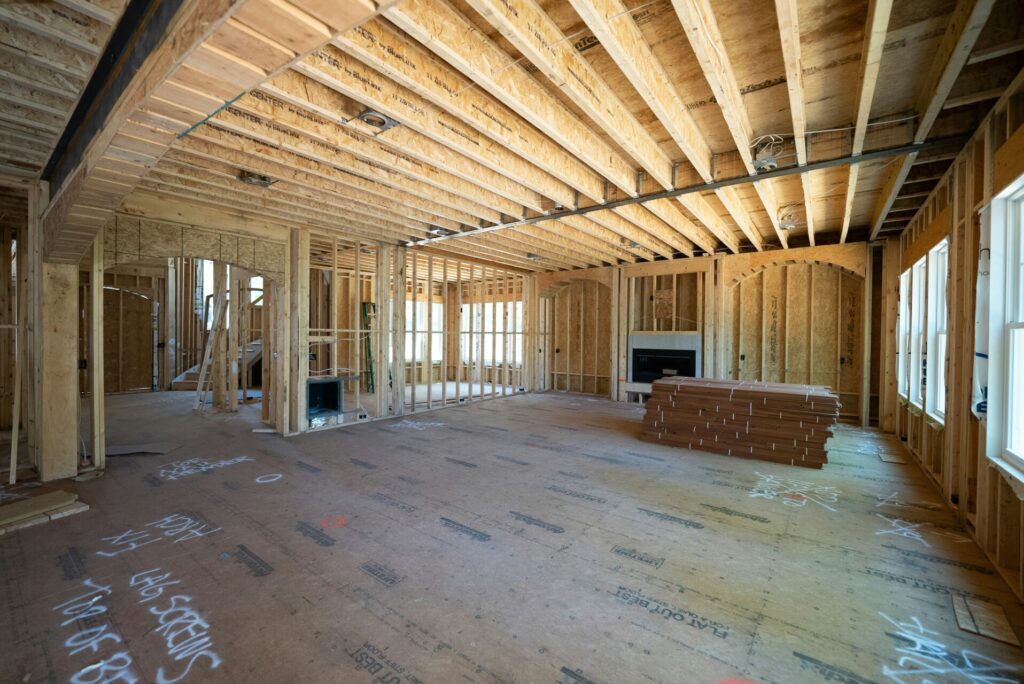
Fire Safety Considerations During New Construction
When fire safety is planned during new construction, everything starts with a clean slate. Designers, engineers, and contractors have the ability to integrate fire protection systems directly into the building’s structure rather than working around existing limitations.
This makes it easier to create a coordinated system where alarms, sprinklers, and suppression methods all work together from day one. Layout decisions can also support fire safety by ensuring proper exit spacing, clear access routes, and effective compartmentalization. Because everything is built with compliance in mind from the beginning, there are fewer compromises and fewer unexpected issues later on.
At this stage, planning is not just about meeting code. It is about building a system that will continue to perform reliably as the building is used over time.
Challenges in Retrofitting Older Buildings
Retrofitting an existing building introduces a completely different set of challenges. Instead of starting fresh, fire protection systems need to be installed within a structure that was likely not designed with current standards in mind.
Limited ceiling space, outdated electrical systems, and structural constraints can all make installation more complicated. In some cases, adding sprinklers or upgrading alarm systems requires opening walls or modifying key parts of the building. This can increase both the cost and the time required to complete the work.
There is also the challenge of maintaining operations during upgrades. Many buildings need to stay functional while improvements are being made, which adds another layer of coordination. Every decision becomes a balance between improving safety, minimizing disruption, and staying within budget.
When Upgrades Become Mandatory
Fire safety upgrades are not always optional. In many cases, changes in building use, occupancy levels, or local regulations can trigger the need for system improvements.
For example, a building that transitions from office space to a higher occupancy use may be required to install additional fire protection systems. Similarly, code updates can introduce new requirements that older buildings were never originally designed to meet.
Inspections also play a role. If an existing system is found to be outdated or no longer functioning properly, upgrades may be required to bring the building back into compliance. These situations often come with strict timelines, making it important for property owners to stay ahead of potential issues rather than reacting at the last minute.

Building a Long-Term Compliance Plan
Whether a building is new or existing, long-term planning is what keeps fire safety systems effective. Compliance is not a one-time task. It requires ongoing attention, regular inspections, and a clear understanding of how requirements may change over time.
A well-planned approach takes into account future upgrades, maintenance schedules, and potential changes in building use. This helps avoid situations where systems become outdated or fall out of compliance without anyone noticing.
Working with experienced professionals can also make a significant difference. Having a clear plan in place allows property owners to manage costs more effectively while ensuring that safety is never compromised.
Fire Safety Planning Comparison
| Scenario | Key Advantage | Main Challenge | Overall Approach |
|---|---|---|---|
| New Construction | Full system integration from the start | Upfront planning and coordination | Build for long-term performance |
| Existing Buildings | Ability to upgrade without rebuilding | Structural limitations and disruption | Adapt systems to fit existing conditions |
Fire safety planning is not the same for every building. New construction offers the opportunity to design systems the right way from the beginning, while existing buildings require a more strategic approach to upgrades and improvements.
Understanding the differences between these two paths makes it easier to plan effectively, avoid unnecessary costs, and ensure that the right systems are in place when they are needed most.