Summary
Warehouses and industrial buildings face higher fire risk due to large open spaces, combustible materials, high storage, and equipment use. Fire protection typically includes sprinkler systems, fire alarms, detection devices, and sometimes specialized suppression systems. Building layout, storage height, and product type directly affect system design and performance. Maintaining compliance requires proper system selection, regular inspections, and aligning fire protection with how the space is actually used.
Why Industrial Buildings Face Higher Fire Risk
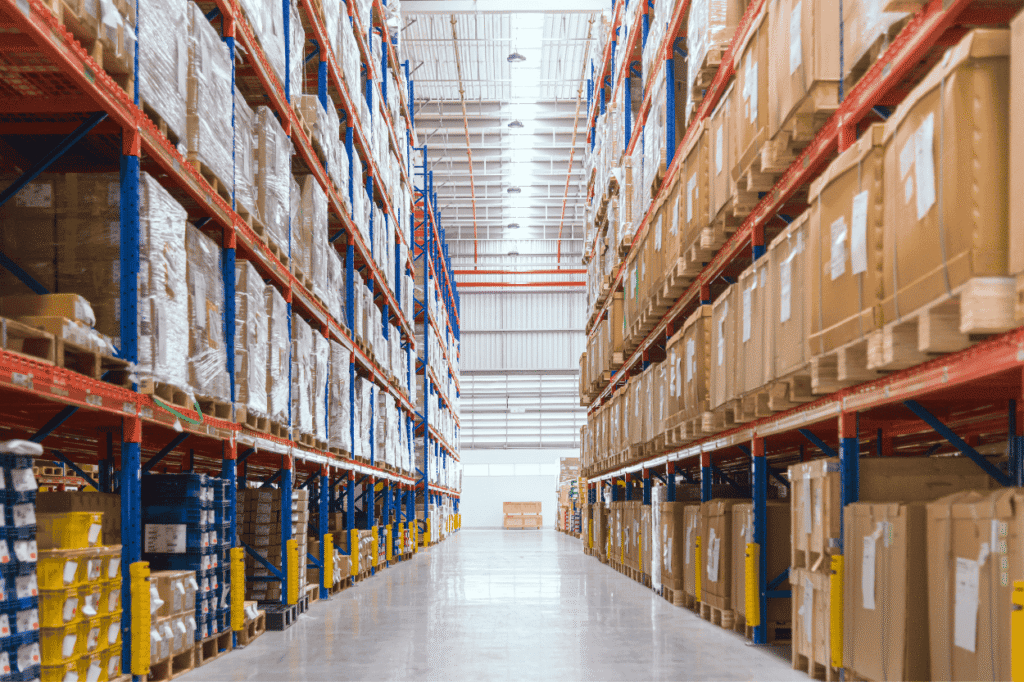
Industrial buildings don’t behave like offices when it comes to fire.
You’ve usually got large open areas, higher ceilings, and a lot more fuel in one place. That might be palletized goods, packaging, raw materials, or even just dust buildup depending on the operation. Once a fire gets going in that kind of environment, it can spread quickly and get intense fast.
On top of that, there’s often equipment involved. Forklifts, machinery, charging stations, sometimes heat-producing processes. None of that is unusual, but it does add to the overall risk.
Another thing people don’t always think about is how far everything is spaced out. In a warehouse, detection can take longer if systems aren’t designed properly, simply because of the size and height of the space.
Common Fire Protection Systems in Warehouses
Most industrial buildings rely on a combination of systems rather than just one.
Sprinkler systems are usually the main line of defense. Depending on what’s stored and how high it’s stacked, the system might be designed very differently from one building to another. Some are meant to control a fire, others are designed to suppress it more aggressively.
Fire alarm systems are there to detect and notify. In larger buildings, that can include smoke or heat detection, pull stations, and full notification throughout the space.
You’ll also see things like standpipe systems for firefighting access, portable extinguishers placed throughout the building, and in some cases, specialized suppression systems for specific hazards.
| System | What It Does | Where It’s Commonly Used |
|---|---|---|
| Sprinkler system | Controls or suppresses fire automatically | Storage areas, racking systems |
| Fire alarm system | Detects fire and alerts occupants | Throughout the building |
| Fire extinguishers | Manual fire response | Near exits, equipment, high-risk areas |
| Standpipe system | Water access for firefighters | Large or multi-level buildings |
| Specialized suppression | Targets specific hazards | Electrical rooms, machinery areas |
How Layout and Storage Impact Fire Safety
This is where a lot of issues come from, especially as operations evolve.
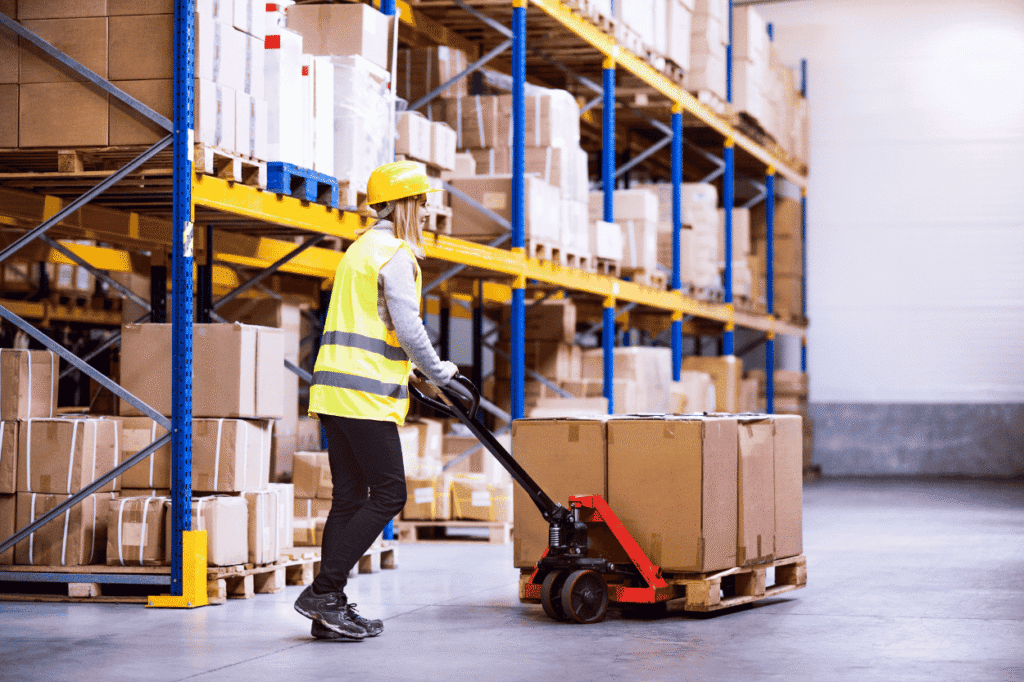
Warehouses don’t stay the same. Storage gets rearranged, racks go higher, new products come in. Over time, those changes can affect how well the fire protection system actually works.
For example, sprinkler systems are designed based on storage height, spacing, and the type of material being stored. If racks get higher or more densely packed than what the system was designed for, coverage can be reduced.
Clearances matter too. Space between sprinklers and stored goods, access to aisles, and keeping pathways open all play a role in how effective the system is during a fire.
It’s not just about having a system installed. It has to match how the building is being used right now.
Planning for Compliance in High-Risk Environments
Staying compliant in an industrial space usually comes down to staying consistent.
Regular inspections and maintenance keep systems working the way they’re supposed to. But beyond that, it’s about keeping the fire protection strategy aligned with day-to-day operations.
If storage changes, the system may need to be reviewed. If new equipment is added, it might introduce new risks. These aren’t always big changes, but they can have a real impact on compliance.
Working with a fire protection provider helps catch those things early. They can flag issues before they show up during an inspection and help make sure the building stays in line with code requirements.
At the end of the day, warehouses and industrial spaces aren’t harder to protect, they just require more attention to how the space is actually being used.