
Summary
A fire sprinkler inspection is not just a quick walk through the building to make sure sprinkler heads are still in place. A proper inspection looks at the condition of the system, the water supply, valves, alarms, piping, sprinkler heads, and other components that need to work together during a fire.
For building owners and property managers, the goal is to confirm that the system is being maintained properly and to catch deficiencies before they become larger problems. It also creates a clear record of what was inspected, what was tested, and whether any repairs or follow-up work are needed.
NFPA 25 is widely used as the baseline standard for the inspection, testing, and maintenance of water-based fire protection systems. In Canada, the exact requirements that apply can also depend on the province, municipality, building type, and authority having jurisdiction. That is why it helps to work with a fire protection provider that understands both sprinkler systems and the local requirements that apply to the property.
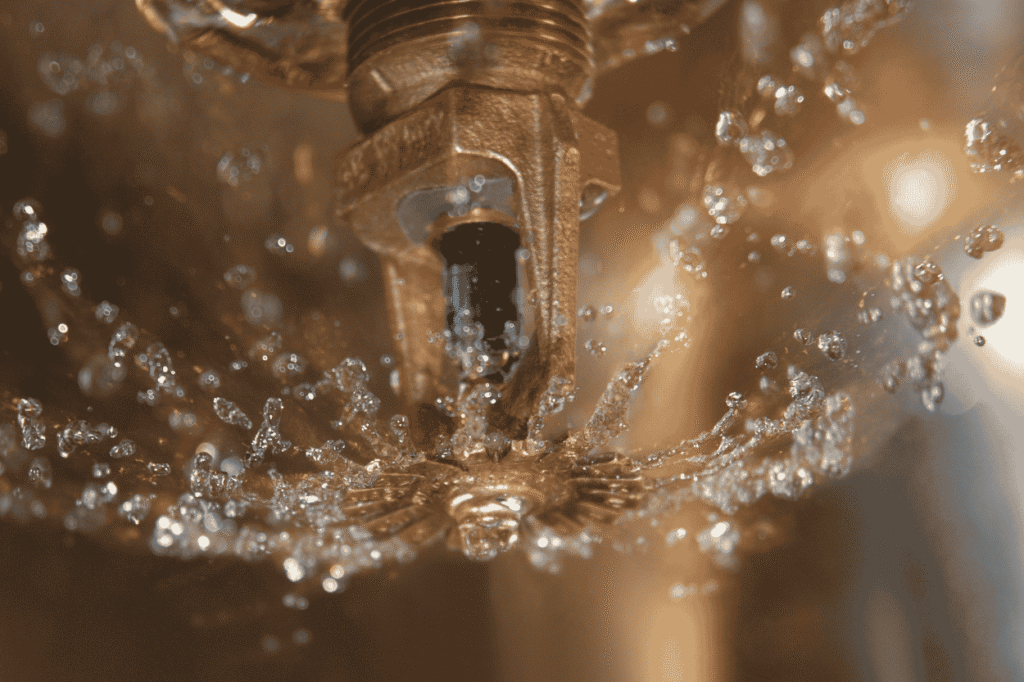
What Happens During a Fire Sprinkler Inspection
Most building owners know their sprinkler system needs regular attention, but the actual inspection process is not always obvious.
The technician is not simply checking whether the sprinkler heads look clean. A commercial sprinkler system includes many different components, and each one can affect how the system performs during an emergency.
Depending on the system and the type of inspection being completed, the technician may review control valves, water flow devices, alarm connections, pressure gauges, piping, sprinkler heads, fire department connections, and other equipment connected to the water-based fire protection system.
Some checks are visual. Others involve testing equipment or confirming that components operate correctly.
The exact inspection frequency and scope can vary by component. NFPA 25 establishes minimum inspection, testing, and maintenance requirements for water-based fire protection systems, so not every part of the system is necessarily checked in the exact same way or on the same schedule.
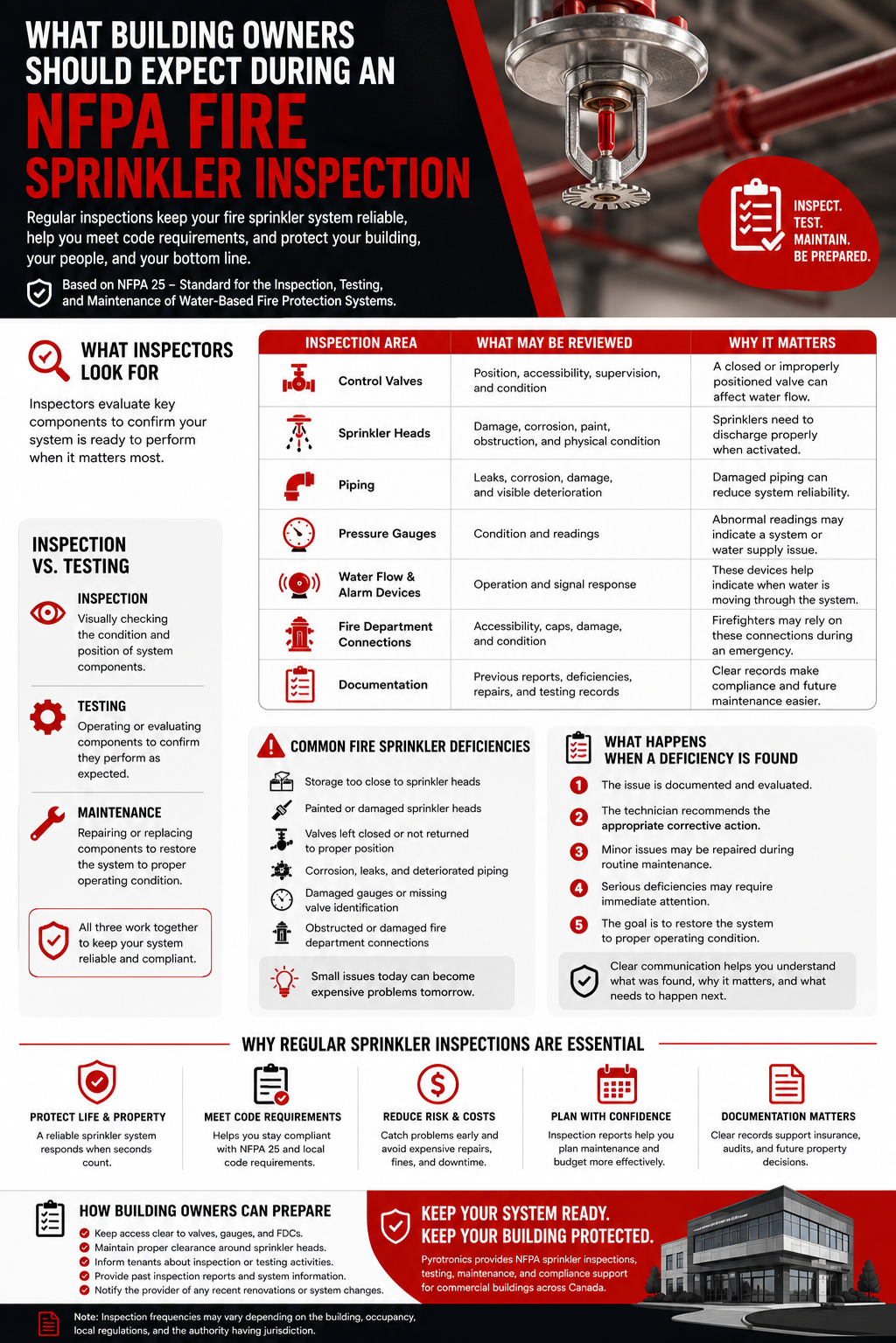
What Inspectors Are Looking For
A sprinkler system can appear fine from the outside while still having problems that affect performance.
A closed or partially closed control valve is one example. The system may still be installed throughout the building, but the water supply could be restricted when it is needed.
Sprinkler heads can also become damaged, painted, corroded, or obstructed by storage and renovations. Changes to a building layout can create new clearance problems that did not exist when the system was originally installed.
The inspection is designed to identify these kinds of conditions before they become serious.
| Inspection Area | What May Be Reviewed | Why It Matters |
|---|---|---|
| Control valves | Position, accessibility, supervision, and condition | A closed or improperly positioned valve can affect water flow |
| Sprinkler heads | Damage, corrosion, paint, obstruction, and physical condition | Sprinklers need to discharge properly when activated |
| Piping | Leaks, corrosion, damage, and visible deterioration | Damaged piping can reduce system reliability |
| Pressure gauges | Condition and readings | Abnormal readings may indicate a system or water supply issue |
| Water flow and alarm devices | Operation and signal response | These devices help indicate when water is moving through the system |
| Fire department connections | Accessibility, caps, damage, and condition | Firefighters may rely on these connections during an emergency |
| Documentation | Previous reports, deficiencies, repairs, and testing records | Clear records make compliance and future maintenance easier |
Sprinkler Testing Is Different From a Visual Inspection
One thing building owners should understand is the difference between inspection and testing.
An inspection usually involves visually checking the condition and position of system components. Testing involves actually operating or evaluating parts of the system to confirm that they perform as expected.
For example, a technician may inspect a valve to confirm that it appears open and in good condition. A separate test may involve operating equipment or verifying water flow, alarms, or other functions.
Maintenance is another part of the process. If an inspection or test identifies a problem, maintenance or repair work may be needed to restore the system to proper operating condition.
NFPA 25 separates these responsibilities because inspection, testing, and maintenance each serve a different purpose. Together, they help provide a more complete picture of the system’s condition.
Common Fire Sprinkler Deficiencies
Many sprinkler deficiencies are not dramatic. They are often small issues that developed gradually or were created during normal building operations.
Storage may have been placed too close to sprinkler heads. A contractor may have painted a sprinkler during renovations. A valve may have been closed during maintenance and never returned to its proper position.
Corrosion can also become a concern over time, particularly in older systems or certain environments. Leaks, damaged gauges, missing valve identification, and obstructed fire department connections can all create issues that need attention.
NFPA notes that deficiencies and impairments are conditions that can affect the performance of a sprinkler system and should be identified and addressed through proper inspection, testing, and maintenance.
The important thing is to deal with these problems when they are found.
A minor deficiency is usually easier to correct than a larger system issue that has been left unresolved for months or years.
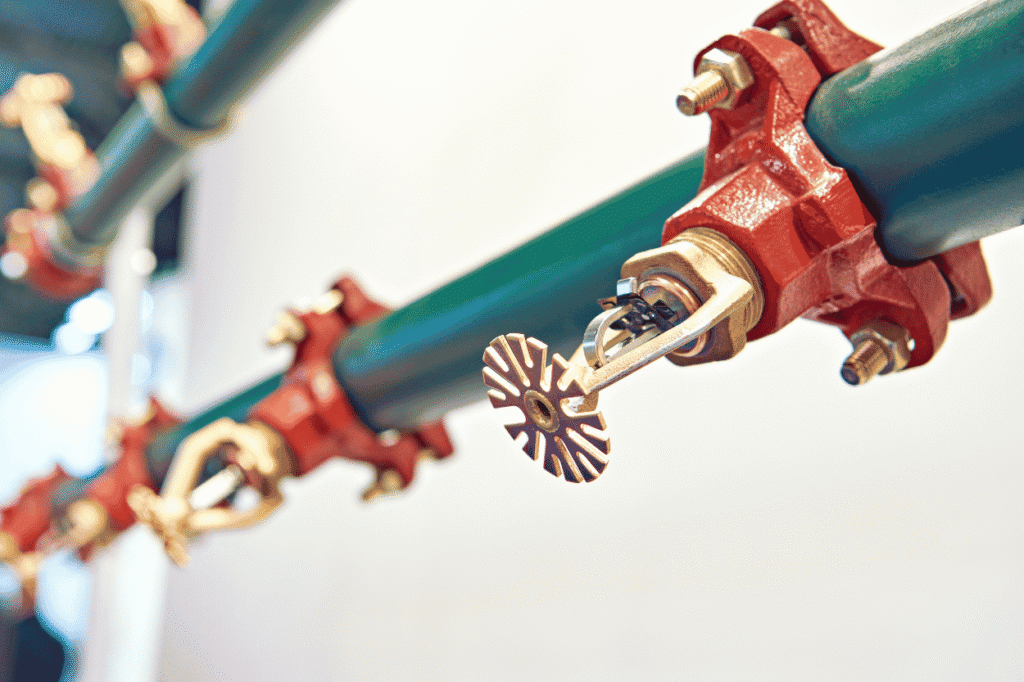
What Happens When a Deficiency Is Found
Finding a deficiency does not always mean the entire sprinkler system has failed.
In many cases, the technician will document the issue and recommend a corrective action. The next step depends on the severity of the problem and how it affects the system.
A damaged sprinkler head may need replacement. A leaking component may need repair. An inaccessible valve may require storage to be moved or the area around it to be cleared.
More serious conditions may require immediate attention, particularly if they create an impairment that affects the system’s ability to provide fire protection.
Clear communication matters here.
The building owner or property manager should understand what was found, why it matters, and what needs to happen next. A good inspection report should make that information easy to follow.
Why Inspection Reports Matter
The inspection report is an important part of the service.
It creates a record showing that the system was inspected, what conditions were observed, what tests were completed, and whether deficiencies were identified.
For building owners, that documentation can be useful during future inspections, insurance reviews, property transactions, and maintenance planning.
It also creates continuity.
If a different technician visits the building next year, a well-documented service history gives them context. They can see what problems were identified previously, what repairs were completed, and whether certain issues continue to appear.
That kind of history becomes especially valuable in larger buildings and multi-property portfolios.
NFPA Compliance and Canadian Requirements
NFPA 25 is an important standard for water-based fire protection system inspection, testing, and maintenance, but Canadian building owners also need to consider the requirements that apply locally.
The National Fire Code of Canada establishes fire protection requirements for the use and maintenance of buildings, while provinces and territories adopt and enforce codes according to their own regulatory systems. Alberta, for example, uses the National Fire Code, 2023 Alberta Edition, which is based on the National Fire Code of Canada 2020.
The National Fire Code of Canada 2025 has also been published, but the NRC advises users to confirm which code and regulations are currently in force in their province or territory.
For property managers, that means the safest approach is to avoid assuming that one inspection schedule applies universally across Canada.
The building type, sprinkler system, occupancy, local code adoption, and authority having jurisdiction can all affect what is required.
Preventative Inspections Make Future Repairs Easier
One of the biggest benefits of regular sprinkler inspections is that they give building owners time.
If corrosion is beginning to appear, there may be an opportunity to plan repairs before the issue becomes urgent. If sprinkler heads are repeatedly being damaged in one area, the building team can investigate why.
If gauges, valves, or other components are aging, those items can be added to future maintenance planning.
That is much easier than waiting for a system failure or discovering a major issue during an emergency.
Preventative inspections also give property managers a better understanding of the overall condition of the system.
Over time, inspection records can help identify recurring problems and areas that may need more attention.
Building Owners Have a Role Too
Professional sprinkler inspections are important, but building owners and property teams also play a role in keeping the system reliable between service visits.
Changes to the building should be taken seriously.
Renovations, new storage layouts, equipment installations, and tenant improvements can all affect sprinkler clearance or access to fire protection equipment.
If the property team notices a leak, damaged sprinkler head, unusual pressure reading, or closed valve, it should not be left until the next scheduled inspection.
The sooner the issue is reported, the easier it is to determine what needs to be done.
Keep Your Sprinkler System Ready
A fire sprinkler system is designed to work when a building needs it most, but that reliability depends on regular inspection, testing, and maintenance.
For building owners, the inspection process is an opportunity to understand the condition of the system, identify deficiencies early, and create a clear record of ongoing maintenance.
The best approach is not to wait until something fails.
Pyrotronics can help commercial property owners with NFPA sprinkler inspection, fire sprinkler inspection, commercial sprinkler testing, sprinkler maintenance services, deficiency reporting, and ongoing sprinkler compliance support.
Frequently Asked Questions
How often should a commercial sprinkler system be inspected?
The inspection frequency depends on the system component and the requirements that apply to the building. Some sprinkler components may require monthly or quarterly inspections, while others are inspected or tested annually or at longer intervals. NFPA 25 provides minimum inspection, testing, and maintenance requirements for water-based fire protection systems.
What is checked during an NFPA sprinkler inspection?
The inspection may include control valves, sprinkler heads, piping, pressure gauges, water flow devices, fire department connections, and other components. The exact scope depends on the system and the type of inspection or testing being completed.
What happens if a sprinkler deficiency is found?
The deficiency should be documented and evaluated so the appropriate corrective action can be taken. Some issues may require routine repair, while more serious conditions may need immediate attention if they affect the operation of the system.
Is NFPA 25 mandatory in Canada?
NFPA 25 is widely referenced for the inspection, testing, and maintenance of water-based fire protection systems, but the requirements that apply to a specific Canadian building depend on the province, territory, local code adoption, and authority having jurisdiction.
Why is sprinkler inspection documentation important?
Inspection reports create a record of the system’s condition, testing, deficiencies, and repairs. These records can help with future maintenance, compliance reviews, insurance questions, and long-term planning.
Sources
NFPA: NFPA 25 and Properly Maintaining a Sprinkler System
NFPA: NFPA 25 Standard Development
National Research Council Canada: National Fire Code of Canada 2025
National Research Council Canada: National Fire Code, 2023 Alberta Edition