
Summary
Common fire code violations in commercial buildings include blocked exits, obstructed fire protection equipment, missed inspections, incomplete documentation, and improperly maintained or disabled systems. These issues are typically identified during inspections and can lead to orders, fines, or increased safety risk. Most violations are preventable through regular maintenance, clear procedures, and ongoing awareness of fire code responsibilities.
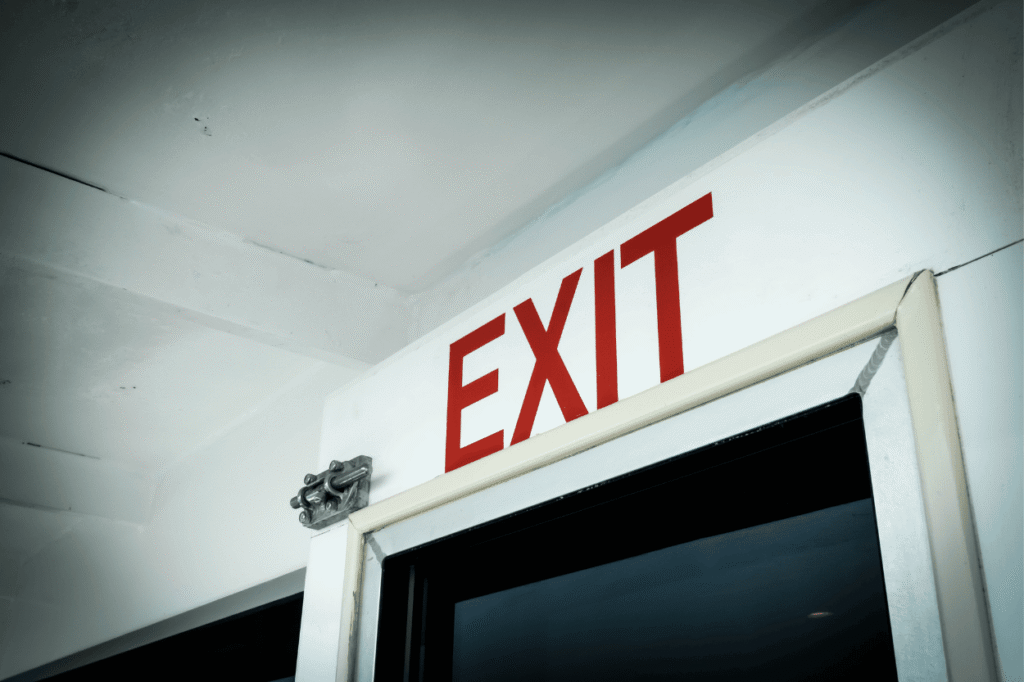
Blocked Exits and Obstructed Fire Equipment
If you asked most inspectors what they see the most, this would probably be it.
It’s rarely anything dramatic. It’s usually a stack of boxes that wasn’t there last month, or a cart left in a hallway that slowly becomes permanent. Sometimes it’s something as simple as a chair sitting a little too close to a pull station.
Individually, none of it feels like a big deal. But when you look at it from a safety standpoint, it adds up fast. Exit paths are supposed to be completely clear, all the time. Not “mostly clear” or “clear enough.” The same goes for things like extinguishers and panels. If someone has to move something out of the way to get to it, that’s already a problem.
What makes this one tricky is that it creeps in over time. Nobody plans to block an exit. It just happens as spaces get used.
Lapsed Inspections and Missing Documentation
This is another one that comes up all the time, and it’s not always because people are ignoring it. More often, it just slips.
There are a lot of moving parts when it comes to inspections. Some things are monthly, some are annual, some fall somewhere in between. Fire alarms, sprinklers, emergency lighting, extinguishers, they all have their own schedules.
What tends to happen is something gets missed, or it gets done but not recorded properly. Maybe the report never made it back to the building. Maybe it’s sitting in someone’s inbox. Maybe it was done, but nobody can prove it during an inspection.
From the inspector’s side, it’s pretty straightforward. If there’s no record, it counts as not done. That’s where buildings get caught off guard.
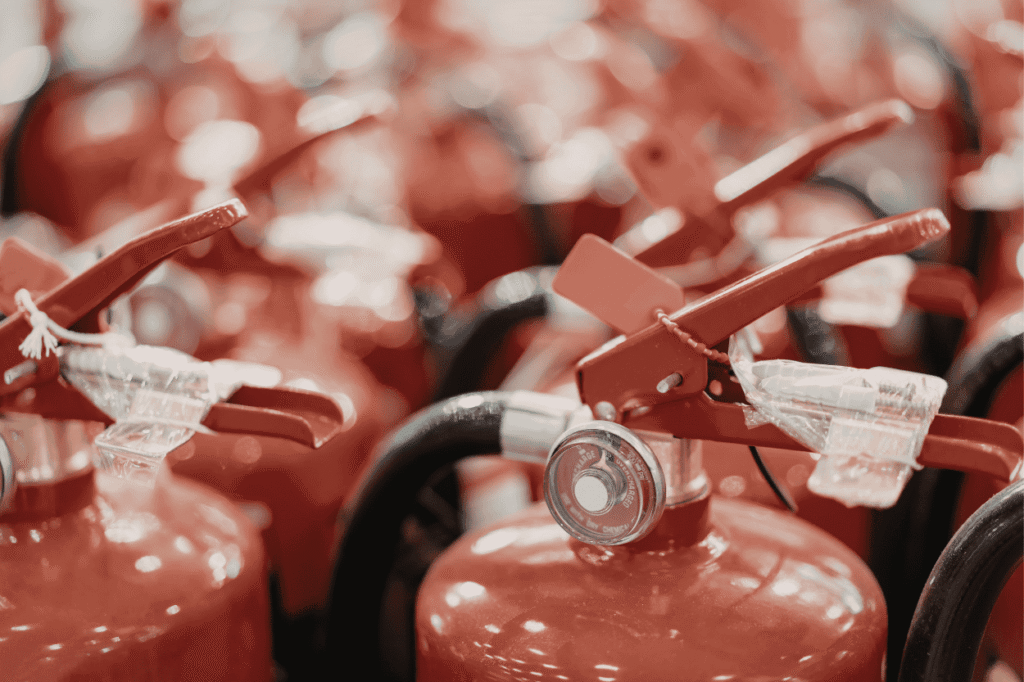
Disabled or Improperly Maintained Systems
This is where things get a bit more serious.
Sometimes it’s obvious. A panel is showing a trouble signal and it’s been ignored for weeks. Other times it’s less obvious. A device got covered during renovations and never uncovered. A valve was closed and never reopened. A battery is past its life but still sitting there.
None of these things necessarily stand out day to day, especially in a busy building. But when the system is actually needed, that’s when it matters.
Inspections tend to bring these issues to the surface, but they don’t create them. They’ve usually been there for a while.
How to Prevent Repeat Violations
Most of these issues aren’t one-time mistakes. They’re patterns.
The buildings that stay in good shape usually aren’t doing anything complicated. They just stay consistent. Someone is keeping an eye on exit paths. Inspections are scheduled and tracked. Documentation is kept where it’s supposed to be.
It also helps to have someone external looking at things regularly. A fresh set of eyes tends to catch what people in the building have gotten used to.
| Common Issue | What Causes It | How to Avoid It |
|---|---|---|
| Blocked exits | Storage slowly building up in walkways | Quick walkthroughs and keeping exit routes clear daily |
| Obstructed equipment | Items placed in front of extinguishers or panels | Keep clearance areas visible and enforced |
| Missed inspections | No clear tracking system | Set reminders and stick to a schedule |
| Missing documentation | Reports not filed or kept on site | Keep everything organized and accessible |
| System issues | Lack of maintenance or follow-up | Address problems as soon as they show up |
At the end of the day, most fire code violations aren’t complicated. They’re just easy to overlook if no one’s paying attention consistently.
And that’s usually the difference.