Summary
When a commercial fire alarm activates, the system alerts occupants and automatically triggers building safety functions while sending signals to monitoring services. Monitoring centres notify fire departments and building contacts. Occupants evacuate according to the fire safety plan, and trained staff assist as assigned. After the event, the system is checked, reset, and the cause of the alarm is reviewed and documented.
The First 60 Seconds After an Alarm Sounds
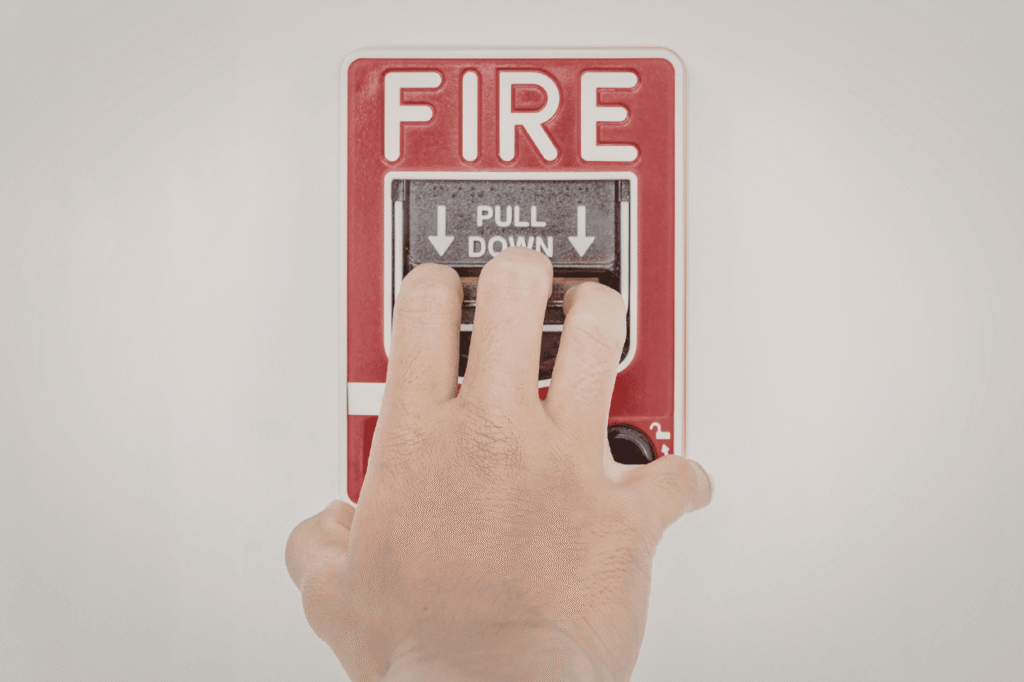
When a fire alarm goes off, most people just hear the horns and see the strobes. But inside the system, things are already moving fast.
The alarm signal hits the fire alarm panel first. Within seconds, the panel tells the building to switch into alarm mode. Notification devices activate everywhere they’re supposed to, so occupants know right away something’s wrong and it’s time to leave.
At the same time, a bunch of safety features start doing what they’re designed to do. Fire doors release and close. Elevators head to their recall floor and stop responding to calls. Air systems may shut down so smoke doesn’t get pulled through the building. None of that requires human input, it’s all automatic once the alarm triggers.
If the building has monitoring, a signal is also sent out almost instantly. So while people are still reacting inside, the outside response is already underway.
How Monitoring Centres and Fire Departments Respond
In monitored buildings, the alarm signal goes straight to a monitoring centre the moment the system activates.
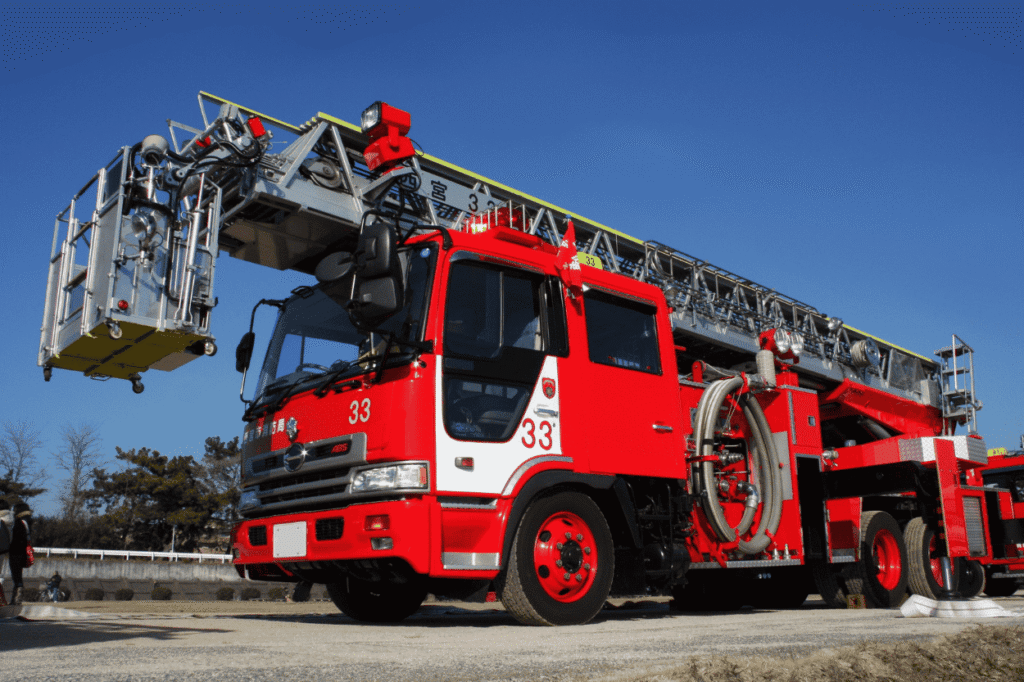
Operators see the building, the signal type, and usually which device triggered. Depending on how the system is set up and local requirements, they either dispatch the fire department immediately or do a quick verification call to the building contact. Many commercial fire alarms are configured for direct dispatch on fire signals, meaning crews are already on the way within moments.
When fire crews arrive, they treat it as a real fire event until proven otherwise. They check the indicated area, look for smoke or heat conditions, and confirm whether suppression systems have activated. Even if it turns out to be something like cooking smoke or dust, the response still follows the same safety protocol.
| Alarm Source | What Monitoring Sees | Typical Response |
|---|---|---|
| Smoke or heat detector | Automatic fire alarm signal | Fire department dispatched |
| Manual pull station | Manual alarm activation | Fire department dispatched |
| Sprinkler waterflow | Active suppression | Immediate dispatch |
| Trouble signal | System fault | Service contact notified |
| Supervisory signal | Valve/device change | Building contact notified |
What Occupants and Staff Are Expected to Do
From the occupant side, the expectation is straightforward: treat the alarm as real and leave.
People should head to the nearest safe exit and go to the assembly area. Elevators aren’t used unless the building has specific evacuation elevators designed for that purpose.
Staff sometimes have assigned roles in the fire safety plan. That might include helping guide people out, assisting anyone who needs support, or confirming certain areas are clear if it’s safe. Those roles are usually set ahead of time and practiced during drills.
One thing that comes up often in real buildings is hesitation. People assume alarms are false, especially if they’ve experienced nuisance alarms before. That delay is actually one of the biggest safety risks during alarms, which is why procedures always treat every alarm as real until responders say otherwise.
What Happens After the Incident Is Resolved
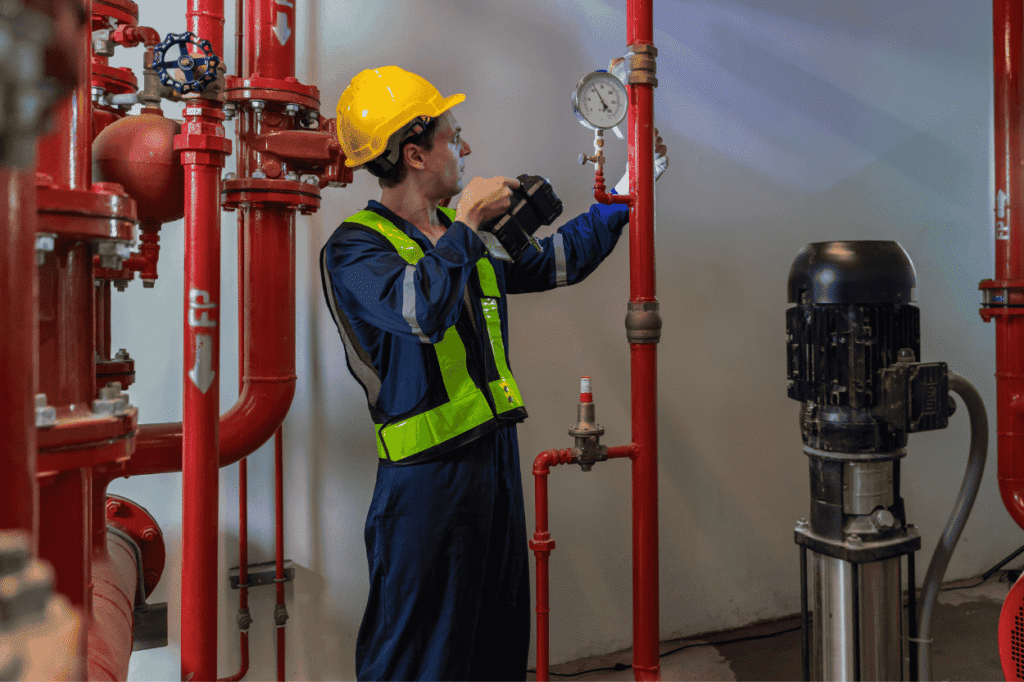
Once the fire department confirms everything is safe, the alarm system can be silenced and reset. But the reset shouldn’t happen until someone confirms what actually triggered the alarm.
That usually means checking the panel history, identifying the device, and figuring out the cause. Sometimes it’s obvious — cooking smoke, steam, dust, or accidental pull station activation. Other times it’s environmental conditions or equipment issues that need attention.
Afterward, the system should be checked to make sure all devices returned to normal and nothing was left in alarm or trouble. Commercial buildings typically log the event as well, especially if responders attended or deficiencies were found.
Even when there’s no fire, alarm events are useful. They show how the building, occupants, and system respond in real conditions. Looking at what happened helps reduce repeat alarms and keeps everything working the way it should.