
Summary
Fire codes in Canada are based on the National Fire Code and enforced through provincial legislation and local fire authorities. Compliance is monitored by fire inspectors, but legal responsibility remains with commercial building owners. Owners must maintain fire protection systems, keep required documentation on site, and address deficiencies identified during inspections. Failed inspections can result in written orders, re-inspections, fines, or occupancy restrictions if issues are not corrected within required timelines.
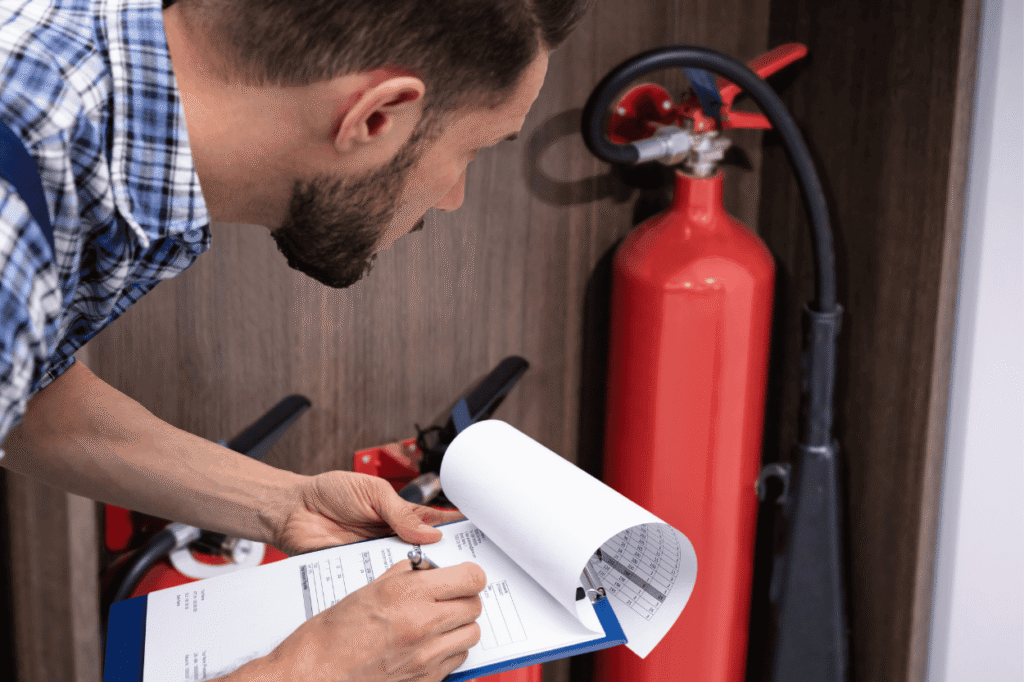
How Fire Codes Are Structured in Canada
The way fire safety rules work in Canada can be a bit confusing because they’re set up in layers.
At the national level, there’s the National Fire Code of Canada. It’s basically the starting point, the minimum standards for fire prevention, keeping people safe, and maintaining fire systems in buildings that are already up and running. Here’s the catch though: the National Fire Code on its own isn’t actually law.
What happens next is each province and territory takes that national code and turns it into something enforceable. Most make a few tweaks along the way to account for local stuff, maybe different inspection timelines or paperwork requirements. That’s why if you own buildings in different provinces, you might notice some variations in what’s expected.
Then you’ve got local fire departments layering on their own enforcement approaches, especially if your building is higher risk. Think industrial facilities, nursing homes, or anywhere crowds gather. I know it sounds like a lot of bureaucracy, but the whole point is pretty straightforward: minimize fire risk and keep people from getting hurt.
Who Enforces Fire Code Compliance
Your local fire authority handles fire code enforcement, usually through something called the Fire Prevention Office or the Fire Marshal’s Office.
Fire inspectors are the ones who’ll show up to check your building, go through your records, and flag anything that needs fixing. Sometimes inspections are scheduled in advance, but they can also pop up after you’ve done renovations, changed how you’re using the building, had an actual fire, or if someone files a complaint.
One thing to know: inspectors aren’t there to fix your problems. They’re there to tell you what’s wrong and give you a deadline to sort it out. Actually making those fixes? That’s completely on you as the building owner.

What Building Owners Are Legally Responsible For
If you own or manage a commercial building, fire code compliance isn’t a once-a-year thing you can check off a list. It’s ongoing.
You need to make sure all your fire protection systems (alarms, sprinklers, emergency lights, fire extinguishers, standpipes) are actually working and getting inspected when they’re supposed to. You also have to keep all those inspection and testing records somewhere on site so you can hand them over when an inspector asks.
But it’s not just about the equipment. You’ve got to keep exits clear (no storing boxes in the stairwell), make sure nobody’s messed with fire separations, keep your fire safety plan current, and when it’s required, ensure your staff actually know what to do if there’s an emergency.
Here’s something important: even if you hire a fire protection company to handle all the inspections and maintenance, you’re still legally responsible. Outsourcing the work helps a ton, but it doesn’t get you off the hook if something’s not done right.
| Responsibility | What You’re Looking At | How Often |
|---|---|---|
| Fire alarm system | Testing, inspection, maintenance by certified techs | Monthly, annually |
| Fire extinguishers | Visual checks, servicing, certification | Monthly checks, yearly service |
| Emergency lighting | Testing that it works, checking battery backups | Monthly, annually |
| Sprinkler systems | Inspection, testing, maintenance | Monthly, quarterly, annually |
| Fire safety plan | Reviewing it, updating it, making sure staff know it | Ongoing, looked at yearly |
Responsibility What You’re Looking At How Often Fire alarm system Testing, inspection, maintenance by certified techs Monthly, annually Fire extinguishers Visual checks, servicing, certification Monthly checks, yearly service Emergency lighting Testing that it works, checking battery backups Monthly, annually Sprinkler systems Inspection, testing, maintenance Monthly, quarterly, annually Fire safety plan Reviewing it, updating it, making sure staff know it Ongoing, looked at yearly

What Happens When a Building Fails Inspection
If your building doesn’t pass a fire inspection, the inspector’s going to give you a written report that spells out what needs to be fixed. Each problem will come with its own deadline depending on how serious it is.
Some things are pretty minor. Maybe you’re missing a sign somewhere or your paperwork isn’t complete. Others are more serious, like if your fire alarm system isn’t working properly or your exits are blocked, and those typically need to be dealt with right away.
Miss those deadlines and you can expect follow-up inspections. Keep ignoring the problems and things can escalate to formal orders, fines, or in worse cases, restrictions on how you can use your building.
The best approach? Stay ahead of inspections, keep your systems maintained, and work with fire protection pros who know what they’re doing. It’ll save you headaches and keep you compliant without any nasty surprises.